
Best DUI Lawyers USA 2026 — Top DWI Attorneys, Costs & How to Beat a DUI Charge
A DUI charge is one of the most consequential legal events in an ordinary person's life — threatening your driver's license, your job, your immigration status, and your freedom. Yet most people arrested for DUI make the single costliest mistake possible: they either represent themselves or hire a general criminal defense attorney with no DUI expertise. The truth is that DUI law is highly technical, evidence-driven, and full of procedural and scientific challenges that an experienced DUI attorney exploits to get charges reduced or dismissed entirely. This guide identifies the best DUI lawyers in the USA for 2026, breaks down exactly what a DUI costs, and gives you a proven defense strategy framework.
Key Facts — DUI Charges USA 2026
- DUI arrests per year: 1,000,000+ annually in the United States
- Average total cost of a DUI conviction (fines, fees, insurance): $10,000–$25,000
- Average DUI attorney fee: $1,500–$5,000 for first offense; $5,000–$15,000 for felony DUI
- First-offense DUI dismissal/reduction rate with experienced attorney: 50–70%
- License suspension without attorney: near-certain; with attorney, often avoidable
- Act within 10 days of arrest in most states to request a DMV hearing — missing this permanently suspends your license
- Field sobriety tests are unreliable — challenged and suppressed in court regularly
- Breathalyzer results are not infallible — calibration errors, medical conditions, and procedural violations are all defensible
What Happens After a DUI Arrest — The Process Explained
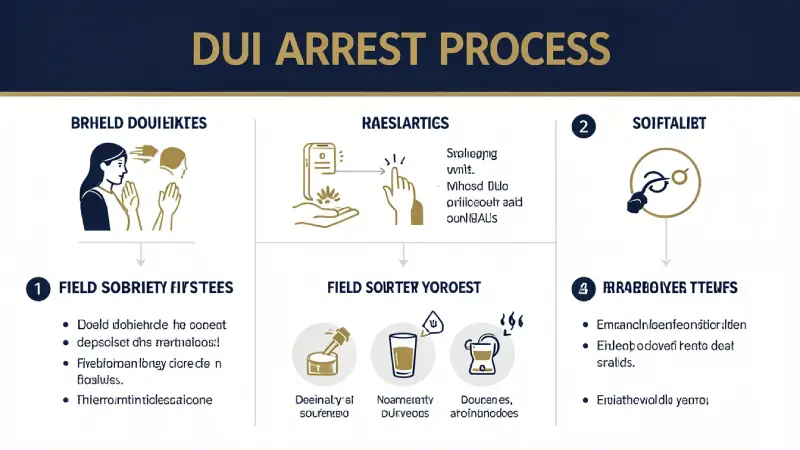
Most people arrested for DUI have no idea what happens next — and that confusion leads to costly mistakes. Here is the complete DUI process from arrest to resolution:
| Stage | Timeline | What Happens | Your Action |
|---|---|---|---|
| Traffic Stop & Field Sobriety | Night of arrest | Officer conducts FSTs, breathalyzer, observes behavior | Remain calm, do not volunteer information |
| Arrest & Chemical Test | Night of arrest | Arrest, booking, blood or breath test at station | Comply with chemical test (refusal has penalties) |
| Release / Bail | Hours after arrest | Released on own recognizance or bail posted | Do not discuss case with anyone |
| DMV Hearing Request Critical | Within 10 days | Separate hearing to contest license suspension | Contact attorney immediately — this deadline is absolute |
| Arraignment | Days to weeks | Formal charges read, plea entered | Attorney advises on plea — never plead guilty at arraignment |
| Discovery & Pre-Trial Motions | 1–6 months | Attorney reviews all evidence, files suppression motions | Provide attorney with full account of events |
| Plea Negotiation | 1–6 months | Attorney negotiates with prosecutor for reduced charges | Evaluate plea offers with attorney guidance |
| Trial (if no plea) | 6–18 months | Jury or bench trial — all evidence challenged | Attorney presents full defense |
⚠️ The 10-Day DMV Deadline — Do Not Miss This: In most states, you have exactly 10 days from your DUI arrest to request a DMV administrative hearing to contest your license suspension. This is completely separate from your criminal case. Miss this deadline and your license is automatically suspended — no exceptions, no extensions. Call a DUI attorney the morning after your arrest.
The True Cost of a DUI — Why a Lawyer Saves You Money
Most people focus on the attorney's fee and miss the dramatically larger financial picture. A DUI conviction without an attorney typically costs far more than hiring one:
Total first-offense DUI conviction cost: $10,000–$25,000+ — before factoring in potential job loss, professional license consequences, or immigration impacts. A DUI attorney who charges $3,000 and gets your charge reduced to reckless driving (a "wet reckless") saves you $7,000–$22,000 in downstream costs. The attorney fee is not a cost — it is an investment with a massive return.
💡 Insurance Is the Hidden Killer: The biggest long-term cost of a DUI conviction is not the fine — it is the auto insurance surcharge. After a DUI conviction, insurers classify you as high-risk and raise premiums by 80–200% for 3–7 years. On a $1,500/year policy, that is $1,200–$3,000 per year in additional premiums — totaling $8,400–$21,000 over seven years from insurance alone. An attorney who prevents a conviction saves you this entire amount. See our auto insurance guide for more on how a DUI affects your rates and which insurers are most lenient post-DUI.
DUI Penalties by Offense Level — 2026
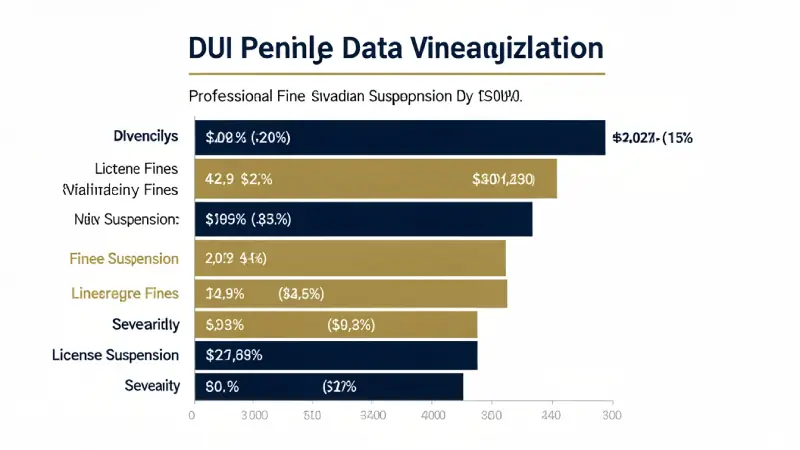
| Offense | Jail Time | Fine | License Suspension | Felony? |
|---|---|---|---|---|
| 1st Offense (BAC 0.08–0.14%) | Up to 6 months | $500–$2,000 | 6–12 months | No (misdemeanor) |
| 1st Offense (BAC 0.15%+) Aggravated | Up to 1 year | $1,000–$5,000 | 12–18 months | No (misdemeanor) |
| 2nd Offense | 5 days–1 year | $1,500–$5,000 | 1–3 years | Depends on state |
| 3rd Offense | 60 days–5 years | $2,500–$10,000 | 3–5 years | Yes — most states |
| DUI with Injury | 1–10 years | $5,000–$50,000 | 3–5 years | Yes — always |
| DUI with Death (Vehicular Manslaughter) | 4–25 years | $10,000–$100,000 | Permanent revocation | Yes — always |
| DUI with Child in Vehicle | Varies — enhanced | Enhanced fines | Enhanced suspension | Often yes |
| Commercial Driver DUI (BAC 0.04%) | Varies | Varies | CDL disqualification 1yr+ | Depends |
The Best DUI Defense Strategies — What Experienced Attorneys Do

DUI law is among the most technically defensible areas of criminal law. Unlike many criminal charges, DUI cases involve scientific evidence (breathalyzer readings, blood tests) and complex procedural requirements that create numerous avenues for challenge. Here are the most effective strategies used by top DUI attorneys:
1. Challenge the Legality of the Traffic Stop
For a traffic stop to be legal, an officer must have reasonable suspicion that a traffic law was violated or that criminal activity was occurring. If the stop was based on something as minor as a wide turn, brief lane deviation, or an anonymous tip that lacked specificity, your attorney can file a motion to suppress all evidence gathered after the illegal stop — potentially dismissing the entire case. The Fourth Amendment protects against unreasonable searches and seizures, and this protection applies fully to traffic stops.
2. Attack Field Sobriety Test (FST) Validity
The three standardized field sobriety tests — Horizontal Gaze Nystagmus (HGN), Walk-and-Turn, and One-Leg Stand — have significant reliability limitations that experienced attorneys exploit. Factors including medical conditions (inner ear disorders, leg injuries, neurological conditions), weather conditions (rain, wind, uneven surfaces), improper officer administration, and inadequate lighting all affect results. When administered correctly under ideal conditions, FSTs are only about 65–77% accurate — leaving substantial room for reasonable doubt.
3. Challenge Breathalyzer Accuracy
Breathalyzer devices must be regularly calibrated, properly maintained, and correctly operated. Your attorney will subpoena the device's maintenance records, calibration logs, and the officer's certification records. Common breathalyzer defenses include: improper 15-minute observation period before testing, device calibration failures, radio frequency interference, medical conditions like GERD or acid reflux that elevate readings, dental work trapping alcohol, and rising BAC (you were below 0.08% while driving but higher by the time of testing).
4. Challenge Blood Test Results
Blood tests are more accurate than breathalyzers but not infallible. Defense attorneys challenge: improper blood draw procedures, chain of custody violations, fermentation of the blood sample (which artificially elevates alcohol readings), improper storage, lab contamination, and the use of unqualified personnel. Blood samples are sometimes preserved and can be independently retested — occasionally revealing significant discrepancies.
5. Negotiate to a "Wet Reckless" (Reckless Driving)
In many first-offense DUI cases where evidence is moderate, an experienced DUI attorney negotiates a plea reduction to reckless driving involving alcohol — colloquially called a "wet reckless." This carries dramatically lower penalties: no mandatory license suspension in many states, lower fines, no mandatory ignition interlock, and — critically — no DUI on your record for future offense escalation. Not every case qualifies, but for a first offense with a borderline BAC and no aggravating factors, it is often achievable.
6. Pursue Diversion or First-Offender Programs
Many states offer first-offender DUI diversion programs — complete an alcohol education program, community service, and potentially a period of probation, and the DUI charge is dismissed or expunged from your record. Eligibility varies by state and case specifics. Your attorney knows which prosecutors and courts are amenable to diversion agreements and how to present your case most favorably. Resources from the NHTSA outline national DUI enforcement standards relevant to your case.
The 6 Best DUI Law Firms in the USA — 2026
Top DUI defense requires attorneys who specialize exclusively or primarily in DUI/DWI — not general criminal defense lawyers who occasionally handle DUI cases. These firms and attorneys represent the highest level of DUI defense nationally:
Katz & Phillips is a DUI-exclusive law firm — every attorney, every case, every day focuses on drunk and impaired driving defense. Their attorneys are faculty members and board members of the National College for DUI Defense (NCDD) — the gold standard for DUI attorney education in the United States. They are certified in field sobriety testing, breathalyzer operation, and blood testing — giving them scientific expertise that general defense attorneys simply cannot match. Their case results consistently include dismissals and reductions that less specialized attorneys do not achieve.
✓ Pros
- DUI-exclusive — deepest possible specialization
- NCDD faculty — top-tier credentials
- Certified in all DUI testing methods
- Strong dismissal and reduction record
✗ Cons
- Primarily Florida-based offices
- Premium fees reflect elite specialization
The Law Offices of Taylor & Taylor is one of California's most respected DUI defense firms — led by attorneys who have literally written books on California DUI law that other defense attorneys study. Their deep expertise in California-specific DUI statutes, administrative per se laws, and DMV proceedings makes them a top choice for any DUI arrest in the state. California DUI law is among the most complex in the nation, making local specialization particularly valuable. Contact them at DUICentral.com.
✓ Pros
- Authored leading California DUI legal texts
- Exceptional California DMV hearing expertise
- Deep knowledge of CA-specific defenses
✗ Cons
- California only
- Not suitable for out-of-state cases
The Minick Law Firm is the Southeast's leading DWI defense practice — with particular strength in North Carolina, where DWI law is uniquely structured and requires specialized knowledge. Their attorneys regularly achieve dismissals, reductions, and not-guilty verdicts across hundreds of DWI cases annually. They also handle federal DUI cases — arrests on federal property, national parks, and military bases — a subspecialty most DUI attorneys lack. Visit MinickLaw.com for a free case evaluation.
✓ Pros
- Deep NC/SE DWI law expertise
- Federal DUI cases — rare specialty
- High dismissal rate in NC courts
✗ Cons
- Southeast region only
DUI Outcomes — What an Attorney Can Realistically Achieve
Understanding realistic outcomes helps you evaluate what a DUI attorney is actually working toward on your behalf:
✅ Complete Dismissal — Best Case
Achieved when there is an illegal traffic stop, evidence suppression, constitutional violations, or significant testing errors. More common with first offenses, BAC near the legal limit, and no aggravating factors. An experienced attorney achieves dismissals in a meaningful percentage of cases — never guaranteed, but always the first goal.
✅ Wet Reckless / Charge Reduction — Most Common Win
Reckless driving charge replaces DUI — dramatically lower penalties, no DUI record, no mandatory ignition interlock, lower insurance impact. Achievable in many first-offense cases with borderline BAC, no accident, no injury, and a cooperative defendant. This is the most frequent positive outcome in DUI defense.
⚠️ DUI Conviction with Minimized Penalties
When evidence is strong and dismissal or reduction is not achievable, an experienced attorney still minimizes consequences — negotiating for no jail time (probation instead), shorter license suspension, avoiding mandatory minimum enhancements, and securing diversion program eligibility where available.
❌ Full DUI Conviction — Worst Case (Without Attorney)
Pleading guilty without legal representation — almost certain to result in maximum allowable penalties, license suspension, mandatory programs, ignition interlock, and a permanent DUI conviction. This is the outcome of representing yourself or using a general attorney with no DUI experience.
DUI Penalties by State — 2026 Overview
| State | 1st Offense Max Fine | License Suspension | Mandatory Jail? | Ignition Interlock? |
|---|---|---|---|---|
| California | $1,000+fees | 6–10 months | No (48hr min) | Yes — all counties |
| Texas | $2,000 | 90 days–1 year | 72 hours min | Yes |
| Florida | $1,000 | 180 days–1 year | No (8hr min) | Yes |
| New York | $500–$1,000 | 6 months | No | Yes |
| Arizona Strictest | $1,250+ | 90–360 days | 24 hours min | Yes — mandatory all |
| Georgia | $300–$1,000 | 12 months | 24 hours min | Yes |
| Illinois | $2,500 | 1 year | No | Yes |
| Pennsylvania | $300–$5,000 | 12 months | No (for lowest tier) | Yes — tier-dependent |
Arizona consistently ranks as the strictest state for DUI enforcement in the United States — with mandatory ignition interlock for all DUI convictions, including first offenses. If you are arrested for a DUI in Arizona, specialized local counsel is essential. For a complete overview of driving laws across all 50 states, the Insurance Institute for Highway Safety (IIHS) maintains current state DUI law summaries.
DUI and Your Career — Professional Consequences
Beyond fines and license suspension, a DUI conviction carries serious professional consequences that vary by occupation:
- Commercial Drivers (CDL): A DUI conviction disqualifies a CDL holder from operating commercial vehicles for one year — three years if hauling hazardous materials. A second DUI results in lifetime CDL disqualification. This is career-ending for professional truck drivers, bus drivers, and delivery workers.
- Healthcare Professionals: Nurses, physicians, pharmacists, and other licensed healthcare workers must report DUI convictions to state licensing boards. Depending on circumstances, this can result in probation, suspension, or revocation of professional licenses.
- Attorneys and Accountants: Licensed professionals in law and accounting face bar association and CPA board reporting requirements. A DUI conviction can trigger professional conduct investigations.
- Teachers and Educators: Most states require educators to report criminal convictions including DUI. This can result in credential suspension or revocation depending on severity and state rules.
- Military Personnel: A DUI can result in demotion, loss of security clearance, and discharge depending on branch and circumstances.
- Immigration Status: Non-citizens with DUI convictions face potential visa denial, green card complications, and in some circumstances, deportation proceedings — particularly for repeat or aggravated DUI offenses. Always consult an immigration attorney alongside your DUI attorney.
💡 Professional License Protection: If you hold any professional license or security clearance, hiring a DUI specialist is not optional — it is essential. The career consequences of a DUI conviction can dwarf the criminal penalties themselves. An experienced DUI attorney who understands the professional licensing implications in your field is critical to protecting your livelihood. See our legal guide for other criminal and civil legal situations.
How to Choose the Right DUI Lawyer
What to Look for in a DUI Attorney
- DUI specialization: At minimum 50% of their practice should be DUI/DWI. Ideally DUI-exclusive.
- NCDD membership or certification: The National College for DUI Defense is the premier credentialing body for DUI attorneys. Board-certified DUI specialists have demonstrated mastery.
- Local court experience: A DUI attorney who regularly appears before your specific judge and prosecutor has enormous tactical advantage — knowing tendencies, case-handling preferences, and diversion program availability.
- Scientific credentials: Top DUI attorneys are certified in standardized field sobriety testing (SFST), breathalyzer operation, and gas chromatography (blood testing). This technical expertise is what allows them to cross-examine police officers and lab technicians effectively.
- Trial record: Ask specifically: "How many DUI jury trials have you conducted in the last 12 months?" An attorney who never goes to trial cannot credibly threaten prosecutors with one.
Questions to Ask During Your Free Consultation
- "What percentage of your practice is DUI cases?"
- "Are you certified by the NCDD or state bar DUI specialty certification?"
- "How many DUI trials have you conducted in this county in the last year?"
- "Based on the facts of my case, what outcomes are realistic?"
- "Will you personally handle my case, or will it be passed to an associate?"
- "What is your fee structure — flat fee or hourly? What does it cover?"
- "Will you handle my DMV hearing as well as the criminal case?"
What to Do Immediately After a DUI Arrest
- Write down everything you remember about the stop, the officer, what was said, and test administration — while memory is fresh
- Photograph any visible injuries from the arrest
- Save all paperwork given to you — ticket, arrest report, chemical test results
- Do NOT discuss the case on social media or with anyone other than your attorney
- Contact a DUI attorney within 24 hours — the 10-day DMV deadline starts counting immediately
- Request a DMV hearing within 10 days — your attorney does this for you once retained
- Gather receipts or evidence of where you were before the arrest (restaurant receipts, bar tabs, witness contact information)
- Note the exact location of the stop, road conditions, lighting, and weather
FAQ — Best DUI Lawyers USA 2026

Ahmada Ndao is a financial research analyst and independent journalist
specializing in US consumer finance, legal rights, and insurance markets.
With over 5 years covering American financial products, he has helped
thousands of readers navigate complex insurance decisions, find the right
legal representation, and optimize their credit strategies. His research
methodology combines primary data analysis, direct outreach to industry
professionals, and continuous monitoring of federal regulatory changes.
Ahmada’s work has been cited by financial communities across the US and
reviewed by licensed attorneys and insurance professionals for accuracy.