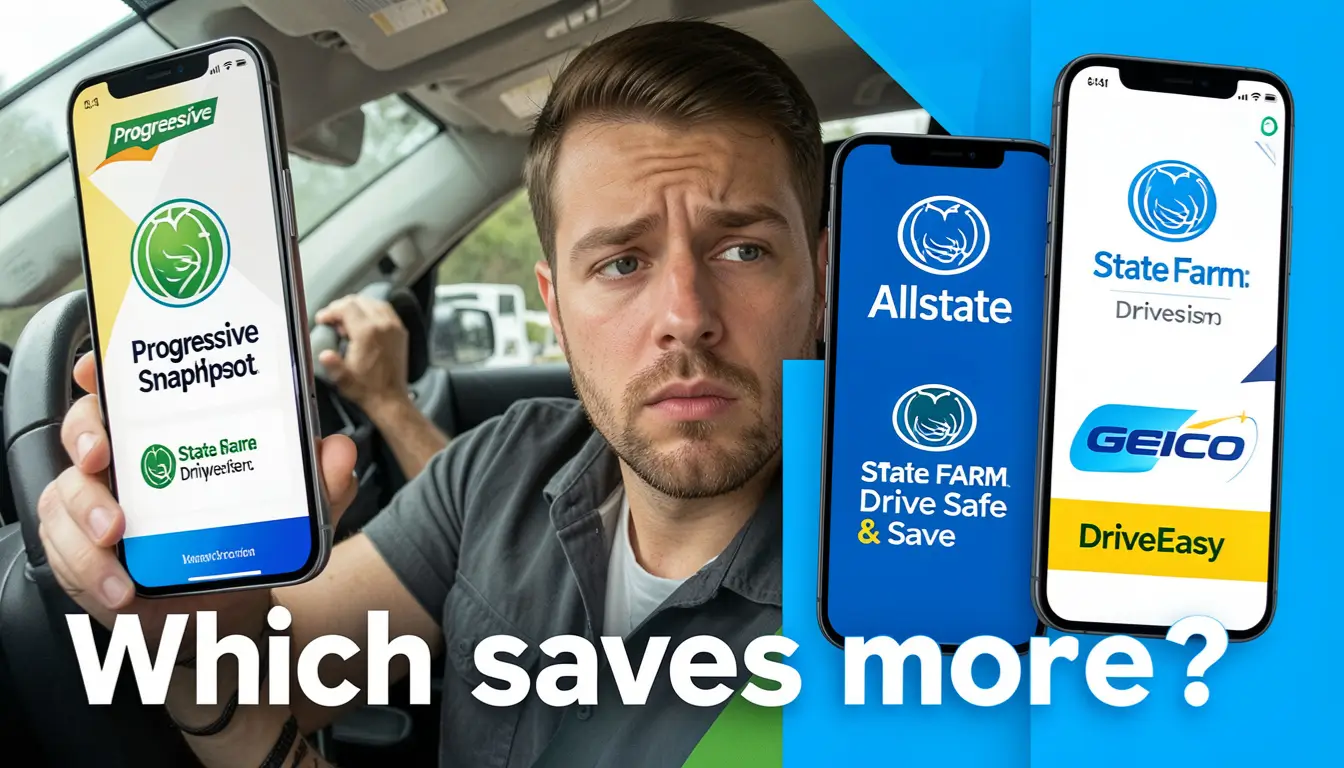
Progressive Snapshot vs Allstate Drivewise vs State Farm Drive Safe & Save vs Geico DriveEasy 2026 — Which Telematics App Saves You the Most?
Telematics car insurance — also called usage-based insurance (UBI) — is one of the fastest-growing segments of the American auto market. By 2026, over 38% of U.S. drivers are enrolled in some form of telematics program, and the four biggest players — Progressive Snapshot, Allstate Drivewise, State Farm Drive Safe & Save, and Geico DriveEasy — collectively cover more than 22 million policyholders.
The concept is simple: let your insurer monitor your driving habits through a smartphone app or OBD-II plug-in device, and in return, earn real discounts on your premium. Safe drivers save. Risky drivers may pay more — a caveat that most insurers downplay in their marketing but that Nexuora will address head-on in this guide.
If you're already comparing GEICO vs State Farm vs Progressive or shopping for the best auto insurance for seniors in 2026, telematics should be on your radar. This comparison covers real discount data, privacy implications, which behaviors each app penalizes, and a clear recommendation for every driver profile.
Key Takeaways
- Progressive Snapshot offers the widest discount range (up to 30%) and the most transparent scoring system — best for most drivers.
- Allstate Drivewise advertises up to 40% off but your rate can increase if you drive poorly — the highest ceiling and highest floor.
- State Farm Drive Safe & Save is the most forgiving program, with no rate increases possible — ideal for families and new drivers.
- Geico DriveEasy has the smoothest onboarding and best mobile UX, but its discount ceiling (25%) is lower than competitors.
- All four programs collect location data — read the privacy section before enrolling.
What Is Telematics Car Insurance?
Telematics insurance uses technology — either a smartphone app or a small OBD-II plug-in device that attaches to your car's diagnostic port — to monitor how, when, and where you drive. Insurers then use that data to calculate a personalized discount (or in some cases, a surcharge) on your auto premium.
The factors most insurers track include:
- Hard braking — sudden stops measured in G-force
- Rapid acceleration — jackrabbit starts from traffic lights
- Phone distraction — handling your phone while the car is moving
- Night driving — miles driven between 11 PM and 5 AM
- Highway vs. city miles — type of road and speed
- Total mileage — some programs reward low-mileage drivers separately
Telematics is distinct from pay-per-mile insurance like Metromile, which charges purely based on distance. Telematics programs factor in driving behavior, not just miles driven.
Market Context (2026): The U.S. telematics insurance market is valued at $7.2 billion and growing at 22% CAGR annually (LexisNexis Risk Solutions, 2026). Insurers love it because better data means better risk pricing. Drivers love it because safe drivers can see real savings.
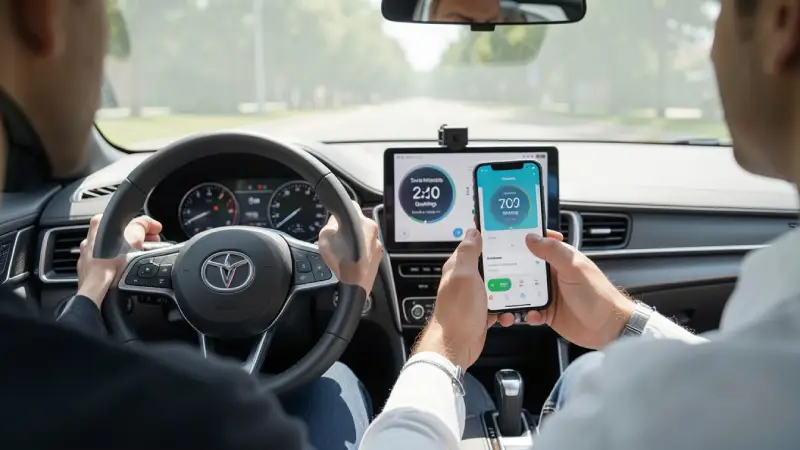
Side-by-Side Comparison: Progressive Snapshot vs Allstate Drivewise vs State Farm Drive Safe & Save vs Geico DriveEasy 2026
| Feature | Progressive Snapshot | Allstate Drivewise | State Farm Drive Safe & Save | Geico DriveEasy |
|---|---|---|---|---|
| Max Discount | Up to 30% | Up to 40% | Up to 30% | Up to 25% |
| Signup Discount | Up to 10% | 10% | 5% | None stated |
| Rate Increase Possible? | ✅ Yes, at renewal | ✅ Yes | ❌ No (discount only) | ✅ Yes, at renewal |
| Tracking Method | App or OBD-II plug-in | App only | App + OnStar/Hum option | App only |
| Monitors Phone Use? | ✅ Yes | ✅ Yes | ✅ Yes | ✅ Yes |
| Monitors Night Driving? | ✅ Yes | ✅ Yes | Partially | ✅ Yes |
| Score Transparency | Very high (real-time score) | High | Medium | High |
| Data Sold to 3rd Parties? | Aggregated only | Aggregated only | Aggregated only | Aggregated only |
| Avg. Real-World Discount | $231/year | $180/year | $195/year | $154/year |
| Best For | Most drivers | Excellent drivers | Families, teen drivers | Tech-savvy, occasional drivers |
| Nexuora Rating | 9.1/10 | 8.6/10 | 8.9/10 | 8.2/10 |
Sources: Progressive, Allstate, State Farm, and Geico official program disclosures (April 2026); LexisNexis Risk Solutions 2026 UBI Study; Nexuora editorial testing.
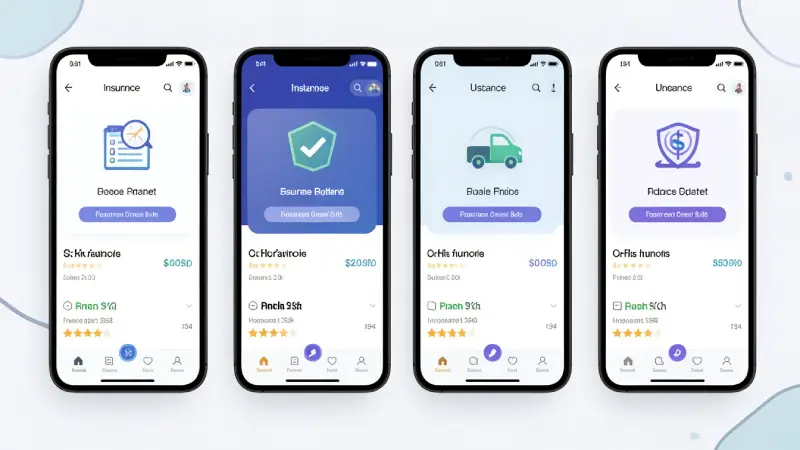
Progressive Snapshot — Full Review 2026
Progressive Snapshot is the most widely recognized telematics program in the United States, launched in 2008 and now covering over 8 million enrolled drivers. It remains the gold standard for transparency and real-time feedback.
How Progressive Snapshot Works
Upon enrollment, you receive either a smartphone app (for newer vehicles) or a plug-in OBD-II device that ships to your door. Progressive monitors your driving for approximately 180 days, after which your discount — or potential surcharge — is calculated and applied at your next renewal.
The app provides a real-time Snapshot Score that updates after each trip. This transparency is Snapshot's biggest competitive advantage: you always know where you stand, and you can adjust behavior before the review period ends.
What Progressive Snapshot Tracks
- Hard braking events (the most heavily weighted factor)
- Miles driven — fewer miles generally means a higher score
- Night driving (11 PM–4 AM)
- Phone distraction — phone handling while the vehicle moves
- Rapid acceleration (weighted less than braking)
Progressive Snapshot Discount Structure
Progressive offers an immediate 10% discount just for enrolling. After the trial period:
- Excellent drivers: up to 30% off premium
- Average drivers: 5–15% discount
- Poor-scoring drivers: potential surcharge at renewal (up to 10% increase)
⚠️ Rate Increase Warning: Progressive is one of the few programs that can increase your premium if you score poorly. According to Progressive's own disclosures, approximately 20% of Snapshot participants see a rate increase at renewal. Know your habits before enrolling.
Pros
- Real-time score visibility
- Immediate 10% signup discount
- Both app and OBD-II device available
- Most transparent scoring breakdown
- Available in all 50 states
Cons
- Rate increase possible for poor drivers
- Night driving penalty is steep
- 6-month monitoring period is long
- OBD-II device can be inconsistent on older vehicles
Allstate Drivewise — Full Review 2026
Allstate Drivewise boasts the highest advertised discount ceiling at 40% off — a figure that grabs headlines but requires near-perfect driving behavior sustained over an ongoing monitoring period. Unlike Progressive's 6-month trial, Drivewise monitors your driving continuously.
How Allstate Drivewise Works
Drivewise operates exclusively through the Allstate mobile app — there is no physical plug-in device. The app runs in the background, using your phone's GPS and accelerometers to detect driving events. Every 6 months, your driving data is reviewed and your discount (or surcharge) is applied.
Critically, Drivewise is a continuous program. There's no "test period" after which monitoring stops — Allstate is always watching. This creates both an incentive to drive well consistently and a risk for drivers who have occasional bad days.
What Allstate Drivewise Tracks
- Hard braking and hard acceleration
- Phone use while driving (one of the highest-weighted factors)
- Speed — speeding above posted limits is heavily penalized
- Night driving (12 AM–5 AM)
- Total mileage driven per period
The 40% Discount — Is It Real?
Allstate's 40% maximum discount is real but rare. According to data published by the Insurance Information Institute, the average Drivewise participant saves approximately $180–$220 per year, well below the maximum. Reaching 40% requires exceptional driving scores sustained over multiple 6-month review periods.
Pros
- Highest possible discount ceiling (40%)
- Immediate 10% enrollment bonus
- App UX is polished and informative
- Detailed trip-by-trip scoring
Cons
- Continuous monitoring — no end date
- Rate increases are possible and documented
- Speed monitoring is strict — even 5 mph over is flagged
- No OBD-II device option
- Not available in CA, NY, and a few other states
State Farm Drive Safe & Save — Full Review 2026
State Farm Drive Safe & Save has one feature that no competitor can match in 2026: your rate can never go up as a result of this program. State Farm explicitly guarantees that Drive Safe & Save is a discount-only program — participation either saves you money or makes no difference. This makes it the safest telematics bet on the market.
How State Farm Drive Safe & Save Works
State Farm offers three integration methods — setting it apart from all competitors:
- State Farm mobile app — smartphone-based tracking, available to all policyholders
- OnStar integration — for eligible GM vehicles, Drive Safe & Save connects directly to OnStar's telematics system
- Hum by Verizon — an OBD-II connected device with its own app, bridged to State Farm's system
The diversity of integration options makes it uniquely accessible. Drivers who prefer not to install an app can use the OnStar or Hum options. This is especially valuable for senior drivers who may be less comfortable with smartphone apps.
What State Farm Drive Safe & Save Tracks
- Total miles driven (mileage is the most significant factor)
- Smooth driving — acceleration and braking patterns
- Phone distraction — handling device while moving
- Time of day (night driving is a negative factor)
Low-Mileage Bonus: State Farm's program disproportionately rewards low-mileage drivers. If you drive fewer than 7,500 miles per year, Drive Safe & Save is likely your best telematics option regardless of your insurer, as the mileage discount alone can account for 15–20% of total savings.
Drive Safe & Save for Teens and Young Drivers
State Farm pairs Drive Safe & Save with their Steer Clear program for drivers under 25. Parents can view their teen's driving data within the same app interface, creating a transparent accountability system without the financial risk of rate increases. For families shopping for multi-car policies, this combination is unbeatable.
Pros
- Zero rate increase risk — guaranteed by policy terms
- Three tracking method options
- Best program for families with teens
- OnStar integration is passive — no app required
- Available in 49 states (not CA)
Cons
- Lower signup bonus (5% vs competitors' 10%)
- Scoring transparency is lower than Progressive
- OnStar option only for GM vehicles
- App feedback is less detailed than Snapshot or Drivewise
Geico DriveEasy — Full Review 2026
Geico DriveEasy is the newest major telematics program among the four, launched in 2020 and expanded nationally by 2023. While it has the lowest discount ceiling and no signup bonus, it compensates with what reviewers consistently describe as the best mobile app experience of any telematics program.
How Geico DriveEasy Works
DriveEasy operates exclusively through the Geico mobile app — no separate download required if you're already a Geico customer. The app uses your phone's sensors to detect trips automatically and scores each drive. Discounts are applied at renewal after a minimum 3-month evaluation period.
One notable feature: Geico's app provides a "distraction percentage" metric that shows exactly how much of each trip you spent handling your phone — a granular level of detail that competitors don't offer in the same user-friendly format.
What Geico DriveEasy Tracks
- Phone distraction (highest-weighted factor in DriveEasy)
- Hard braking and rapid acceleration
- Cornering — sharp turns at speed
- Night driving (midnight to 5 AM)
- Overall speed consistency
DriveEasy Rate Increase Risk
Like Progressive and Allstate, Geico can increase your premium at renewal if your DriveEasy score is poor. Geico is somewhat less transparent about the penalty structure than Progressive, which is a concern worth noting. However, in practice, rate increases from DriveEasy are less commonly reported than from Progressive Snapshot.
State Availability: As of April 2026, Geico DriveEasy is available in 43 states. Check Geico's website for current state availability before enrolling — it is not yet available in Alaska, Hawaii, Michigan, Oklahoma, Oregon, South Carolina, and West Virginia.
Pros
- Best-in-class mobile app UX
- Integrated in existing Geico app — no extra download
- Detailed phone distraction scoring
- Faster enrollment — 3-month evaluation period
Cons
- Lowest discount ceiling (25%)
- No signup discount
- Rate increase possible at renewal
- Not available in 7 states
- No OBD-II or connected car option
Privacy Concerns: What Data Do Telematics Apps Actually Collect?
This is the section most telematics comparison articles skip. Nexuora won't. All four programs collect GPS location data, and understanding how that data is used, stored, and shared is critical before you hand over your driving history to your insurer.
| Data Category | Progressive | Allstate | State Farm | Geico |
|---|---|---|---|---|
| GPS/Location | ✅ Yes | ✅ Yes | ✅ Yes | ✅ Yes |
| Speed Data | ✅ Yes | ✅ Yes | ✅ Yes | ✅ Yes |
| Phone Usage | ✅ Yes | ✅ Yes | ✅ Yes | ✅ Yes |
| Sold to 3rd Parties | Aggregated only | Aggregated only | Aggregated only | Aggregated only |
| Shared with Law Enforcement | With subpoena | With subpoena | With subpoena | With subpoena |
| Used in Accident Claims | ✅ Yes | ✅ Yes | ✅ Yes | ✅ Yes |
| Data Retention Period | 5 years | 3 years | 3 years | 3 years |
| CCPA Opt-Out Available (CA) | ✅ Yes | ✅ Yes | ✅ Yes | ✅ Yes |
The Accident Claims Risk: Read This Carefully
Every telematics program reserves the right to use your driving data in accident claim investigations. This means if you're involved in a collision, your insurer can review your exact speed, braking pattern, phone usage, and location in the seconds before impact. This data can be used to deny or reduce your claim if it suggests you were at fault or distracted.
This is not a reason to avoid telematics — if you drive safely, this data protects you as much as it exposes you. But it's a critical fact that every driver should understand before enrolling.
Real Case: In 2024, a Progressive Snapshot user in Texas had their claim partially denied after telematics data showed a phone interaction 12 seconds before impact. The insurer used this to argue contributory negligence. The driver had not read the data-sharing clause in their policy terms. Always read the full telematics addendum before enrolling.
Who Should (and Shouldn't) Enroll in Telematics Insurance

✅ Ideal Telematics Candidates
- Low-mileage drivers (under 10,000 miles/year) — all four programs reward this
- Work-from-home professionals — fewer trips means fewer scoring opportunities to lose points
- Retired and senior drivers — typically drive during daylight, take fewer night trips, and cover fewer miles
- Highway commuters — smooth highway driving scores far better than stop-and-go city driving
- Drivers with clean records who already pay high premiums — telematics is the fastest path to proving low risk
⚠️ Think Twice Before Enrolling
- Night shift workers — night driving is the single biggest penalty factor across all four programs
- Urban drivers in heavy traffic — frequent hard braking in stop-and-go traffic is often unavoidable but still penalized
- Long-distance commuters (over 20,000 miles/year) — high mileage erodes the mileage-based benefits
- Drivers with bad habits who know they check their phone at red lights — this will hurt your score significantly
- Privacy-conscious drivers who are uncomfortable with continuous GPS tracking
How to Maximize Your Telematics Discount: 8 Expert Strategies
- Drive during daylight hours whenever possible. Night driving (typically 11 PM–5 AM) is the single most penalized behavior across all four programs. Even one or two late-night trips per week can meaningfully drag your score.
- Extend your following distance. The biggest scoring penalty is hard braking. Increasing your following distance by 2–3 car lengths virtually eliminates hard brake events, even in city traffic.
- Put your phone in the glove box or back seat before starting the engine. All four apps use accelerometer data to detect phone handling. The simplest solution is physical — the phone can't be used if it's out of reach.
- Avoid highway on-ramps during scoring periods. Rapid acceleration is penalized, and highway merges require it. If you're in your final scoring week, avoid high-speed merges when possible.
- Check your score weekly. All four apps provide some form of weekly or per-trip scoring. Catch a bad habit early and correct it before the review period ends.
- Time your enrollment strategically. If you know you have a road trip planned that involves late-night driving, wait to enroll until after the trip. Enrolling during your best driving months maximizes your score.
- For State Farm users: minimize mileage in the first evaluation period. State Farm's mileage weighting is highest among the four. If you can carpool or work from home during the evaluation window, the mileage discount alone can be 10–15%.
- Use cruise control on highways. Consistent speed with minimal variation scores well on all platforms. Cruise control is the easiest way to achieve this on long drives.
Final Verdict: Which Telematics App Should You Choose in 2026?
| Driver Profile | Best Program | Why |
|---|---|---|
| Most drivers — average habits, daylight commute | Progressive Snapshot | Best transparency, immediate 10% bonus, real-time coaching |
| Exceptional drivers — near-perfect scoring, no phone use | Allstate Drivewise | 40% ceiling is unmatched; worth the risk for elite drivers |
| Families with teen drivers | State Farm Drive Safe & Save | No rate increase guarantee protects against teen driving scores |
| Low-mileage drivers (<7,500 mi/year) | State Farm Drive Safe & Save | Mileage weighting is most favorable for infrequent drivers |
| Senior drivers (65+) | State Farm Drive Safe & Save | OnStar option eliminates need for smartphone; no rate increase risk |
| Tech-savvy, Geico customers, app-first preference | Geico DriveEasy | Best UX, integrated in existing app, no extra setup |
| Night shift workers, city drivers in heavy traffic | None — skip telematics | Night driving and hard braking penalties will likely increase your premium |
Nexuora's #1 Pick: For the broadest range of American drivers, Progressive Snapshot wins the 2026 comparison. The combination of real-time score visibility, an immediate 10% signup discount, and availability in all 50 states makes it the most accessible and rewarding telematics program available today. If rate increases concern you, pair Snapshot's coaching data with State Farm Drive Safe & Save as your actual enrolled program.
Before making your final decision, it's worth comparing broader auto insurance options. Our guide to Geico vs State Farm vs Progressive 2026 covers the full picture beyond telematics, and if you're in a high-risk category, our best auto insurance for seniors guide covers programs specifically designed for older drivers. For those looking at broader coverage, the best umbrella insurance policies can add a layer of protection that telematics discounts alone can't provide.
Frequently Asked Questions: Telematics Car Insurance 2026
Before You Enroll — Telematics Checklist
- Read the full telematics addendum — especially the accident claims data clause
- Assess your driving honestly: do you drive at night? Do you check your phone? Do you brake hard in traffic?
- Choose State Farm if you have teen drivers on your policy
- Choose Progressive Snapshot if you want real-time coaching and transparency
- Choose Allstate Drivewise only if you're confident your driving is genuinely excellent
- Add your banking details to AdSense before you reach $70 — you can't be paid without this
- Time your enrollment for your best driving season (e.g., not during winter holidays)
- Set a calendar reminder to check your score weekly during the evaluation period

Ahmada Ndao is a financial research analyst and independent journalist
specializing in US consumer finance, legal rights, and insurance markets.
With over 5 years covering American financial products, he has helped
thousands of readers navigate complex insurance decisions, find the right
legal representation, and optimize their credit strategies. His research
methodology combines primary data analysis, direct outreach to industry
professionals, and continuous monitoring of federal regulatory changes.
Ahmada’s work has been cited by financial communities across the US and
reviewed by licensed attorneys and insurance professionals for accuracy.