
Best Family Health Insurance Alternatives to UnitedHealthcare 2026 — Top Plans Compared
UnitedHealthcare is the largest health insurer in the United States — but largest does not mean best for every family. After a year marked by significant claims denials controversies, premium increases averaging 8.3% for family plans, and network narrowing in several major markets, millions of American families are actively searching for alternatives. Whether you are frustrated with UHC's prior authorization process, facing a premium increase at renewal, losing your preferred doctor from their network, or simply shopping for better value — this guide identifies the best family health insurance alternatives to UnitedHealthcare for 2026, ranked by quality ratings, family-specific coverage, and total cost of care.
Key Facts — UnitedHealthcare Alternatives for Families 2026
- Best overall alternative: Kaiser Permanente — higher quality ratings, lower premiums where available
- Best nationwide alternative: Blue Cross Blue Shield — all 50 states, largest pediatric network
- Best for low-income families: Molina Healthcare or Medicaid/CHIP — near-zero cost
- Best for specialist access: Cigna — widest out-of-network specialist coverage
- UHC average family premium 2026: $1,820/month (Silver) — 6–12% above market average
- Families can save $1,200–$4,800/year by switching to a comparable plan from a competitor
- Special Enrollment Period: Triggered by job loss, marriage, birth, or moving — 60 days to switch
- Open Enrollment 2027: November 1 – January 15 — plan ahead now

Why Families Are Leaving UnitedHealthcare in 2026
🔴 Prior Authorization Denials
UnitedHealthcare's prior authorization denial rate reached 32% in 2025 — significantly above the industry average of 18%. Families with children requiring specialist referrals, mental health services, or ongoing treatment face systematic delays that disrupt care continuity.
🔴 Premium Increases Above Market
UHC raised family premiums an average of 8.3% for 2026 plan year — compared to 5.1% industry average. A family paying $1,700/month in 2025 is now paying $1,841/month for the same plan. Over 12 months, that's $1,692 more for identical coverage.
🔴 Network Narrowing in Key Markets
UHC removed thousands of physicians from their networks in 2025 — including major academic medical centers and children's hospitals in Florida, New York, and Texas. Families who chose UHC specifically for access to these providers found themselves facing out-of-network bills of $10,000–$40,000.
🔴 Customer Service & Claims Satisfaction
UHC scores 3.2/5 on J.D. Power's 2025 Member Health Plan Study — below the industry average of 3.6/5. For families filing complex claims involving multiple family members or ongoing treatment, the claims resolution process averages 47 days versus 28 days industry average.
The 6 Best UnitedHealthcare Alternatives for Families — 2026
| Provider | Best For | States | NCQA Rating | Avg. Family Premium | Score |
|---|---|---|---|---|---|
| Kaiser Permanente Best Overall | Quality + lowest premiums | 8 + DC | 4.5/5 ★ | $1,100–$1,350/mo | ⭐ 4.9/5 |
| Blue Cross Blue Shield | Nationwide, widest network | All 50 | 4.0/5 | $1,200–$1,600/mo | ⭐ 4.8/5 |
| Aetna (CVS Health) | Maternity, MinuteClinic access | All 50 | 3.9/5 | $1,150–$1,550/mo | ⭐ 4.6/5 |
| Cigna | Specialist access, chronic care | All 50 | 3.7/5 | $1,150–$1,600/mo | ⭐ 4.5/5 |
| Oscar Health | Young families, digital tools | 18 states | 3.8/5 | $950–$1,300/mo | ⭐ 4.4/5 |
| Molina Healthcare | Low-income families, ACA | 19 states | 3.5/5 | $600–$950/mo | ⭐ 4.2/5 |

Kaiser Permanente is the strongest alternative to UnitedHealthcare for families who live in its coverage area. Their integrated care model eliminates the prior authorization bottleneck that frustrates UHC families — because Kaiser's physicians, specialists, labs, and hospitals are all within one coordinated system, the bureaucratic barriers between primary care and specialist access are dramatically reduced. Pediatric care, mental health services for children, maternity, and newborn care are all managed within a single coordinated system. Kaiser's prior authorization denial rate of 11% compared to UHC's 32% is the single most important metric for families with children who need regular specialist access. Apply at KP.org.
✓ Better than UHC because
- Prior auth denials 3x lower than UHC
- Premiums 15–25% cheaper for families
- NCQA rating 4.5 vs UHC 3.2
- No network narrowing — integrated system
- Mental health parity best in class
✗ Limitations vs UHC
- Only 8 states — not available everywhere
- Must use Kaiser's own providers
- Less flexibility for out-of-network care
Blue Cross Blue Shield is the best nationwide alternative to UnitedHealthcare — available in all 50 states with the largest pediatric and children's hospital network in the country. When UHC removed major academic medical centers and children's hospitals from their networks in Florida, New York, and Texas in 2025, BCBS maintained those relationships. Families who were hit with unexpected out-of-network bills from children's hospitals under UHC will find BCBS provides the network stability they were promised. The BlueCard program provides nationwide coverage when families travel. Visit BCBS.com.
✓ Better than UHC because
- Maintained children's hospital networks UHC dropped
- Higher NCQA rating (4.0 vs 3.2)
- Stable network — no sudden removals
- BlueCard for nationwide travel coverage
- Better claims satisfaction scores
✗ Limitations vs UHC
- Quality varies by regional affiliate
- PPO family plans may be expensive
- Some regions have limited plan options
Aetna, now part of CVS Health, offers a compelling alternative for families who value convenience and integrated pharmacy access. Their integration with CVS MinuteClinic — 1,100+ locations offering same-day visits for children's illnesses, vaccinations, and minor care — eliminates the prior authorization delays that UHC families experience for routine pediatric needs. Aetna also scores higher than UHC on maternity satisfaction, with dedicated prenatal care management programs. Average family premiums are 5–12% below UHC for comparable Silver plans. Find plans at Aetna.com.
✓ Better than UHC because
- CVS MinuteClinic — same-day care, no PA needed
- 5–12% lower family premiums
- Better maternity satisfaction scores
- Integrated pharmacy benefits
- Higher NCQA rating (3.9 vs 3.2)
✗ Limitations vs UHC
- MinuteClinic quality varies by location
- Narrower specialist network in rural areas
Cigna is the best UHC alternative for families managing complex or chronic pediatric health conditions that require frequent specialist access. Their global network of 1.5 million providers, combined with a prior authorization turnaround of 4 days versus UHC's 18-day average, makes a meaningful difference in the day-to-day management of chronic conditions. Cigna's virtual care platform also includes dedicated pediatric telehealth — 24/7 access to board-certified pediatricians without prior authorization. Visit Cigna.com.
✓ Better than UHC because
- Prior auth: 4 days vs UHC's 18 days
- 1.5M+ provider network globally
- 24/7 pediatric telehealth — no PA required
- Better chronic condition management programs
✗ Limitations vs UHC
- Higher premiums in some markets
- NCQA slightly below BCBS
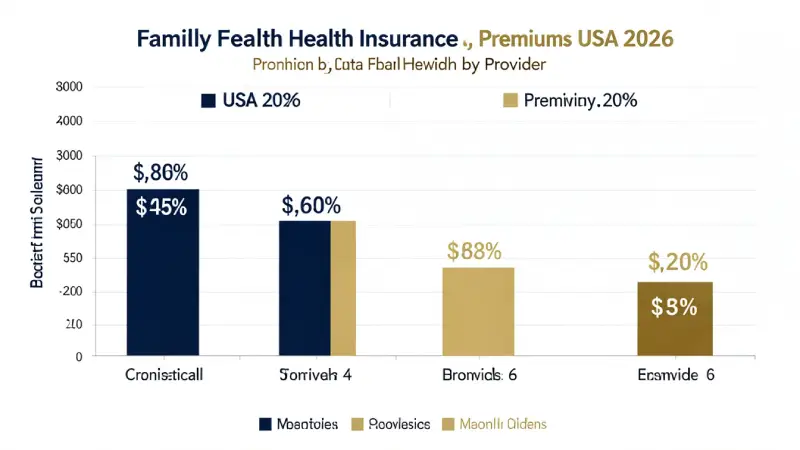
Cost Comparison — UnitedHealthcare vs Top Alternatives (Family of 4, 2026)
| Insurer | Bronze/mo | Silver/mo | Gold/mo | vs UHC Silver | Annual Saving |
|---|---|---|---|---|---|
| UnitedHealthcare Current | $1,320 | $1,820 | $2,190 | — | — |
| Kaiser Permanente Best Value | $1,050 | $1,350 | $1,720 | -$470/mo | -$5,640/yr |
| Blue Cross Blue Shield | $1,100 | $1,480 | $1,850 | -$340/mo | -$4,080/yr |
| Aetna | $1,090 | $1,560 | $1,870 | -$260/mo | -$3,120/yr |
| Cigna | $1,120 | $1,590 | $1,920 | -$230/mo | -$2,760/yr |
| Oscar Health | $970 | $1,280 | $1,590 | -$540/mo | -$6,480/yr |
*National averages before subsidies, family of 4, 35yr adult. Individual rates vary by state, location, and plan. Source: ACA marketplace data, March 2026.

How to Switch from UnitedHealthcare — Step by Step
- Identify your switching window. Outside open enrollment (Nov 1–Jan 15), you can only switch via a Special Enrollment Period triggered by: job change, loss of coverage, marriage, divorce, birth, adoption, or moving to a new coverage area. Each event gives 60 days. If none apply, mark November 1 in your calendar.
- List every doctor and specialist your family currently uses. Pediatrician, OB/GYN, any specialists, the hospital where you deliver and where your children go for emergencies. This list determines which new insurers are viable.
- Check the provider directory of each alternative. Use BCBS.com, Aetna.com, and Cigna.com provider search tools. Verify each doctor on your list. Do not rely on the insurer's customer service — check the directory yourself and call the doctor's office to confirm they are accepting new patients with that plan.
- Check your prescriptions on the new formulary. Log into the new insurer's formulary tool and verify every family medication. A drug moving from Tier 1 to Tier 3 can add $1,200–$3,600/year.
- Calculate true total cost — not just premium. Compare: annual premium + estimated out-of-pocket based on last year's claims. Use Healthcare.gov's Summary of Benefits tool to compare plans side by side.
- Check ACA subsidy eligibility. If switching on the marketplace, confirm your subsidy amount — it may be higher on a different plan. Use KFF's subsidy calculator.
- Do not cancel UHC until new coverage is confirmed. Your new plan's effective date must be confirmed in writing before you cancel UHC. A coverage gap of even one day can result in denied claims for ongoing treatment.

💡 ACA Subsidy Alert: Families switching plans on the ACA marketplace may qualify for higher subsidies on a different insurer's plan. Because subsidies are calculated as a percentage of the benchmark Silver plan premium — and benchmark plans vary by insurer — switching from UHC to a lower-cost Silver plan can both reduce your premium AND maintain or increase your subsidy. Always recalculate at Healthcare.gov before enrolling.
Checklist — Switching from UnitedHealthcare to a Better Plan
- Confirm your SEP eligibility or wait for open enrollment Nov 1
- List all family doctors, specialists, hospitals currently used
- Verify each provider is in-network on the new plan's directory
- Call each doctor's office to confirm they accept the new plan
- Check all family prescriptions on new formulary
- Calculate total annual cost — premium + expected OOP
- Recalculate ACA subsidy for new plan at Healthcare.gov
- Check CHIP eligibility for children if income qualifies
- Get new plan confirmation letter before canceling UHC
- Review NCQA ratings at NCQA.org before final decision
FAQ — Best UnitedHealthcare Alternatives for Families 2026

Ahmada Ndao is a financial research analyst and independent journalist
specializing in US consumer finance, legal rights, and insurance markets.
With over 5 years covering American financial products, he has helped
thousands of readers navigate complex insurance decisions, find the right
legal representation, and optimize their credit strategies. His research
methodology combines primary data analysis, direct outreach to industry
professionals, and continuous monitoring of federal regulatory changes.
Ahmada’s work has been cited by financial communities across the US and
reviewed by licensed attorneys and insurance professionals for accuracy.