GEICO vs State Farm vs Progressive 2026 — Which Is the Best Car Insurance?
GEICO, State Farm, and Progressive together insure over 120 million American drivers — more than 40% of all U.S. auto insurance policies. They dominate every advertising channel, yet most drivers who pick one of these three do so based on brand recognition rather than rate comparison. The reality: the cheapest insurer for a 35-year-old married driver in Texas may be the most expensive for a 22-year-old single driver in California. This guide compares all three head-to-head across every factor that matters — rates by driver profile, coverage options, discounts, claims satisfaction, and digital tools — so you can choose the right insurer for your specific situation in 2026.
Quick Verdict — GEICO vs State Farm vs Progressive 2026
- Cheapest overall: GEICO — lowest average rates nationally for most good drivers
- Best for families and bundling: State Farm — best multi-policy discounts, 19,000 local agents
- Best for high-risk drivers: Progressive — best rates after DUI or at-fault accidents
- Best claims satisfaction: State Farm — J.D. Power #1 among large national insurers
- Best for teen drivers: State Farm — Steer Clear program, up to 20% off
- Only one offering gap insurance: Progressive — critical if you financed your car
- Average savings by shopping all three: $380–$800/year for identical coverage
Head-to-Head Rate Comparison — 2026
Average annual premiums vary significantly by driver profile. Here is a comprehensive breakdown across the most common driver categories — the green cell is the cheapest option for each profile:
*National averages — individual rates vary by state, vehicle, and coverage level. Source: composite of insurance rate data, March 2026. Always get quotes from all three for your specific profile.
GEICO — Full Review 2026

GEICO is the second-largest auto insurer in the USA and consistently delivers the lowest national average premiums for drivers with clean records. Their fully digital model — no agents, all online and via app — means overhead stays low and premiums stay competitive. A good driver switching from State Farm to GEICO typically saves $300–$700/year for identical coverage. GEICO's military discount of up to 15% is the strongest of the three for active duty and veterans. Available all 50 states at GEICO.com.
✓ Pros
- Lowest average rates for good drivers
- A++ AM Best — maximum financial strength
- Best military / federal employee discount (15%)
- Excellent mobile app — ID cards, policy management
- All 50 states
- Best rates for drivers with poor credit
✗ Cons
- No local agents — 100% direct/digital
- Claims satisfaction below State Farm
- Rates spike sharply after DUI or accidents
- No gap insurance
State Farm — Full Review 2026

State Farm is the largest auto insurer in the USA — #1 by market share with over 83 million policies in force. Their network of 19,000 local agents is unmatched among the three: a dedicated advisor knows your household, handles claims personally, and is available for in-person meetings. Their J.D. Power claims satisfaction score of 891/1,000 is the highest among large national insurers — meaningful when a claim is the only moment insurance actually matters. The Steer Clear program (up to 20% off for drivers under 25) makes State Farm the best option for teen drivers. Visit StateFarm.com.
✓ Pros
- #1 J.D. Power claims satisfaction (891/1,000)
- 19,000 local agents — best personal service
- Best teen driver rates (Steer Clear program)
- Best home + auto bundle discounts (up to 30%)
- A++ AM Best — maximum financial strength
- Best for families with multiple policies
✗ Cons
- Higher average premiums than GEICO for good drivers
- Rates spike significantly after DUI
- Less competitive for high-risk profiles
- Digital tools less advanced than Progressive
- No gap insurance
Progressive — Full Review 2026
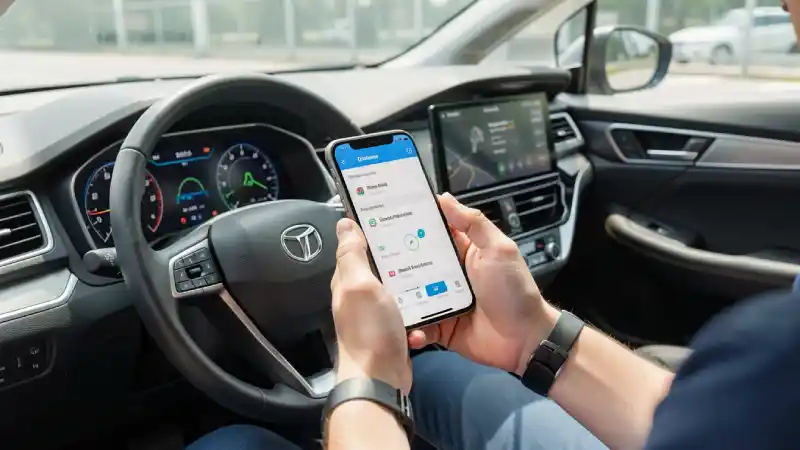
Progressive built its business on insuring drivers other companies price out of the market — and their actuarial models are the most sophisticated in the industry. After a DUI, Progressive averages 23% lower premiums than GEICO and 30% lower than State Farm for identical coverage. Their Snapshot telematics program tracks real-world driving behavior and offers discounts of 10–30% for safe drivers — best in the industry. Progressive is also the only one of the three offering gap insurance (Loan/Lease Payoff), protecting financed car owners from owing thousands after a total loss. Visit Progressive.com.
✓ Pros
- Best rates after DUI or at-fault accidents
- Snapshot telematics — up to 30% discount
- Only one offering gap insurance of the three
- Name Your Price budget tool
- Accepts high-risk drivers others decline
- Best digital platform and comparison tools
✗ Cons
- Lowest J.D. Power claims satisfaction (832/1,000)
- A+ vs A++ for GEICO and State Farm
- Less competitive for clean-record drivers vs GEICO
- Snapshot can raise rates for poor driving behavior
Discount Comparison — Who Saves You More?
| Discount Type | GEICO | State Farm | Progressive | Winner |
|---|---|---|---|---|
| Multi-policy (home + auto) | Up to 25% | Up to 30% | Up to 10% | State Farm ★ |
| Good driver (3+ yr clean) | Up to 26% | Up to 15% | Up to 31% | Progressive ★ |
| Military / federal employee | Up to 15% | Not available | Not available | GEICO ★ |
| Teen / student | Good student 15% | Steer Clear 20% | Good student 10% | State Farm ★ |
| Telematics program | DriveEasy 25% | Drive Safe & Save 30% | Snapshot 30% | Tie |
| Anti-theft / safety features | Up to 23% | Up to 15% | Up to 12% | GEICO ★ |
| Pay-in-full | Up to 8% | Up to 5% | Up to 10% | Progressive ★ |
Coverage Options — What Each Offers
| Coverage | GEICO | State Farm | Progressive |
|---|---|---|---|
| Liability / Collision / Comprehensive | ✅ | ✅ | ✅ |
| Uninsured motorist | ✅ | ✅ | ✅ |
| Roadside assistance | ✅ | ✅ | ✅ |
| Rental reimbursement | ✅ | ✅ | ✅ |
| Accident forgiveness | ✅ earned | ✅ earned | ✅ add-on |
| New car replacement | ❌ | ✅ | ✅ |
| Gap insurance Critical | ❌ | ❌ | ✅ Only one |
| Pet injury coverage | ❌ | ❌ | ✅ |
| Custom parts & equipment | ✅ | ❌ | ✅ |
| Rideshare (Uber/Lyft) | ✅ | ✅ | ✅ |
💡 Gap Insurance Gap: If you financed your car in the last 1–3 years, gap insurance is essential — it covers the difference between what you owe and the car's actual value after a total loss. Progressive is the only one of these three offering it as an add-on. GEICO and State Farm customers must buy gap coverage separately through their lender. A total loss without gap can leave you owing $5,000–$15,000 on a car you no longer own.
Who Should Choose Which — Final Verdict
Choose GEICO if…
You are a good driver with a clean record, military member, federal employee, or have poor credit. You prefer 100% digital and want the lowest possible premium without agent involvement.

Choose State Farm if…
You have a family, want a local agent, are adding a teen driver, bundle home + auto, or prioritize claims service above all. You value human relationship over digital convenience.
Choose Progressive if…
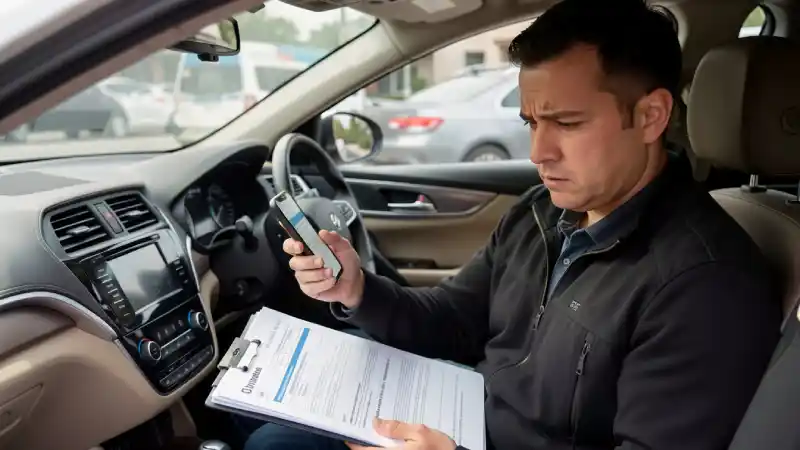
You have a DUI, at-fault accident, or poor driving record. You financed your car and want gap insurance. Or you want to earn significant Snapshot telematics discounts for safe driving.
The Most Important Rule: None of these three is universally cheapest. Always get quotes from all three for your specific profile — rate differences of $400–$1,200/year for identical coverage are common. Use TheZebra.com to compare all three simultaneously in under 5 minutes. See our complete car insurance guide for options beyond these three that may be even cheaper for your profile.
FAQ — GEICO vs State Farm vs Progressive 2026

Ahmada Ndao is a financial research analyst and independent journalist
specializing in US consumer finance, legal rights, and insurance markets.
With over 5 years covering American financial products, he has helped
thousands of readers navigate complex insurance decisions, find the right
legal representation, and optimize their credit strategies. His research
methodology combines primary data analysis, direct outreach to industry
professionals, and continuous monitoring of federal regulatory changes.
Ahmada’s work has been cited by financial communities across the US and
reviewed by licensed attorneys and insurance professionals for accuracy.