Insurance in 2026 is transforming at record speed. With evolving consumer expectations, new technologies like AI and digital platforms, and emerging policy types like embedded insurance, the industry is remarkably different from just a few years ago. Whether you’re shopping for auto insurance, reviewing your health coverage, or exploring new products like pet insurance and cybersecurity protection, understanding the insurance trends of 2026 is essential for making smart financial decisions.
In this guide, we cover the most impactful trends — why they matter, how they affect your premiums, and how to choose the right coverage. We also provide real examples, internal and external links, expert tips, and an SEO‑optimized structure that helps this article rank on Google Search.
👉 For more financial insights, check our finance blog: https://nexuora.com/category/finance-insurance-investing/
Sommaire
ToggleWhat Are Insurance Trends and Why They Matter
Insurance trends reflect changes in consumer behavior, business models, technology, and regulation. These trends influence how coverage is priced, delivered, and experienced. With the rise of remote work, smart tech, and data‑driven pricing, insurance is becoming more personalized and dynamic.
According to industry analysis, insurance innovations such as usage‑based auto insurance, digital health plans, and AI‑assisted underwriting are among the fastest growing segments. These trends increase efficiency, improve pricing accuracy, and offer more tailored policies for consumers.
1. Auto Insurance Trends in 2026
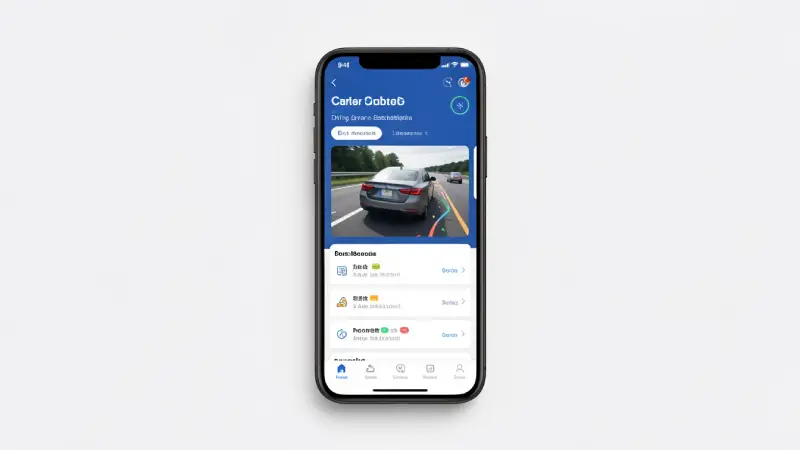
📉 Usage‑Based and Pay‑Per‑Mile Policies
Instead of charging the same premium regardless of driving behavior, many insurers now base pricing on how you drive. Advanced telematics systems track mileage, acceleration, braking patterns, and more.
Benefits:
Lower premiums for safe drivers
Real‑time feedback on driving behavior
Reward programs for low mileage
Example: Some insurers offer discounts up to 30% for drivers who maintain safe driving scores.
Tip: Use mobile telematics apps to monitor your driving behavior and reduce insurance costs over time.
📊 Data‑Driven Premiums and Telematics
With digital data, insurance companies use machine learning algorithms to refine pricing models. These are more accurate than traditional demographic‑based pricing.
Insurers can differentiate drivers based on:
Driving time of day
Sudden stops
Mileage
Traffic patterns
This data‑centric approach not only lowers risk but also improves fairness in pricing.
Pay‑Per‑Mile Insurance
Pay‑per‑mile policies charge a base rate plus a small per‑mile fee. This model benefits:
Occasional drivers
Urban residents with short commutes
Individuals working from home
This trend is expected to continue growing as telematics device adoption increases.
2. Health Insurance Trends in 2026
Medicare Advantage Dominance
In 2026, Medicare Advantage plans are growing faster than traditional Medicare due to expanded benefits like vision, dental, and wellness programs.
Often includes $0 premium options
Integrated wellness benefits
Senior‑friendly support and care coordination
For official enrollment info, visit the Medicare website: https://www.medicare.gov
Digital Health Platforms
Health insurance companies increasingly provide digital platforms where members can:
Access policy documents
Consult care providers
Monitor claims status online
These tools improve convenience and reduce administrative costs.
Understanding Coverage Clarification
Despite digital innovations, many consumers remain confused about key terms like deductible, coinsurance, and out‑of‑pocket maximums. Learning these terms can help you avoid unexpected bills.
Tip: Review your Explanation of Benefits (EOB) after every medical service to ensure accuracy.
Pet Insurance — A Rapidly Growing Segment
The pet insurance market has exploded in recent years, driven by rising vet costs and the humanization of pets.
Why Pet Insurance Is Trending
Veterinary care inflation
More pet owners seeking financial protection
Inclusion of wellness and preventive care
Some popular plans now cover:
Accident and illness
Routine care
Specialized treatments
Example: Plans like Lemonade Pet and Trupanion allow direct payments to vets, reducing out‑of‑pocket costs.

4. Embedded Insurance — One‑Click Coverage
Embedded insurance means coverage offered directly within the purchase process of a product or service.
Examples:
Flight cancellation protection offered during airline checkout
Device protection offered at electronics purchase
Event liability protection during ticket purchase
This trend removes barriers and increases adoption by making insurance instantly accessible.
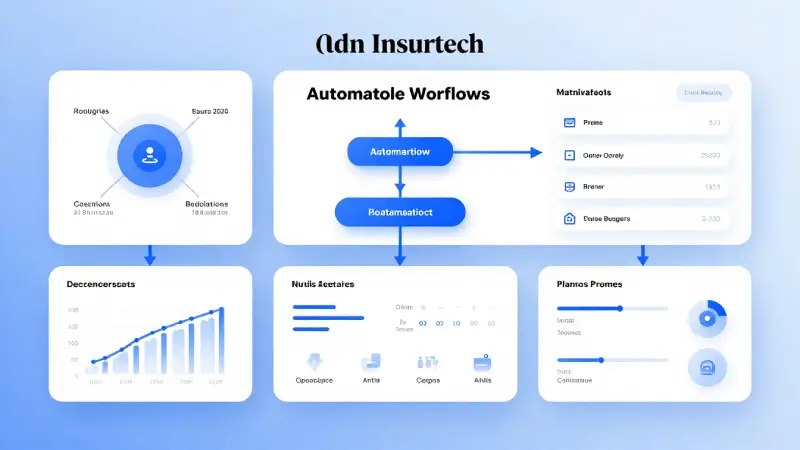
5. AI and InsurTech — Transforming the Industry
Artificial intelligence and InsurTech platforms are automating processes that were once manual and slow.
How AI Is Used
Claims automation
Fraud detection
Personalized pricing
Customer service chatbots
AI saves time and reduces operational costs, benefiting both insurers and policyholders.
For insights on insurance technology trends, see this LinkedIn article: https://www.linkedin.com/posts/specific-group-usa_top-5-insurtech-trends-2026-activity-7420118294126362624-CjfY
6. Cyber Insurance — Protecting Digital Futures
As businesses become more digital, cybersecurity insurance is no longer optional — it’s essential.
Cyber insurance protects against:
Data breaches
Ransomware attacks
System outages
Privacy violations
This coverage is especially critical for companies using cloud platforms and remote systems.
7. Parametric Insurance — Faster, Measured Claims
Parametric insurance bypasses traditional claim disputes by using defined triggers (e.g., earthquake magnitude, hurricane wind speed).
Benefits:
Quick payouts
Transparent conditions
No lengthy claims process
This model is especially useful for climate‑related risks.
8. Life Insurance Goes Digital
Online life insurance policies with no medical exams are growing in popularity.
Benefits:
Quick approval
No doctor visit required
Fully digital applications
Companies offering these plans include Ethos, Haven Life, and Bestow.
External Reference: https://www.usa.gov/insurance
9. Climate Change and Insurance Availability
Climate change is reshaping how insurance is offered, especially for homeowners in high‑risk flood, hurricane, and wildfire zones.
According to reporting by Reuters, global natural catastrophe losses are projected to exceed $100 billion. (Source: https://www.reuters.com/business/environment/global-insured-catastrophe-losses-set-hit-107-billion-2025-report-shows-2025-12-16/?utm_source=chatgpt.com)
This trend pushes premium increases and forces consumers to consider disaster‑resilient planning.
Insurance Comparison — What’s Best for You?
| Insurance Type | Best For | Key Trend |
|---|---|---|
| Auto | Daily drivers | Usage‑based pricing |
| Health | Families & seniors | Digital platforms |
| Pet | Pet owners | Wellness plans |
| Life | Financial planning | No exam policies |
| Cyber | Businesses | Digital risk protection |
Read Next
👉 Explore our insurance & finance blog category: https://nexuora.com/category/finance-insurance-investing/
👉 For legal and compensation insights: https://nexuora.com/best-personal-injury-lawyers-usa-2026/
👉 Maximize savings growth with high‑yield savings: https://nexuora.com/best-high-yield-savings-accounts-2026/
❓ FAQ — Insurance Trends in 2026
Usage‑based insurance adjusts your premium based on how much and how safely you drive, often using telematics.
Because they often include additional benefits like vision, dental, and wellness programs with $0 premiums.
Yes — especially due to rising veterinary costs and coverage for accidents and illnesses.
Insurance is offered directly during a purchase — like at checkout — giving instant coverage.
Yes — AI allows more accurate risk assessment and personalized premiums.
Insurance Landscape in 2026
Insurance in 2026 is defined by technology, personalization, and accessibility. From telematics‑driven auto coverage to embedded policies and AI automation, trends point toward smarter, fairer, and faster protection for consumers.
Understanding these shifts helps you choose better policies, reduce risk, and secure your financial future.
Whether you’re renewing a policy or exploring new coverage, staying informed about these insurance trends in 2026 will give you a strategic advantage.
Ahmada Ndao est entrepreneur digital et consultant en intelligence artificielle, fondateur de SenAI2S.
À travers Nexuora, il partage des analyses, guides pratiques et stratégies sur l’IA, le business en ligne et les technologies émergentes, avec un focus sur l’impact réel et les opportunités globales.