
If you are searching for how much is UnitedHealthcare insurance, you may be surprised to learn that there is no single price that applies to everyone.
The cost of UnitedHealthcare health insurance in 2026 can vary significantly depending on several factors, including your age, location, household size, income, type of coverage, plan design, deductible, and whether you receive financial assistance.
The same person may also pay very different amounts depending on whether they obtain coverage through:
- An employer
- The individual health insurance market
- The federal or state Health Insurance Marketplace
- Medicare
- Medicaid or another government program
This is why simply searching for the “average UnitedHealthcare insurance cost” may not give you a useful answer.
The more important question is:
How much will UnitedHealthcare insurance cost for my specific situation, and what will I actually pay when I use my health plan?
Your monthly premium is only one part of the total cost.
You may also have to consider:
- Deductibles
- Copays
- Coinsurance
- Prescription costs
- Out-of-pocket maximums
- Out-of-network expenses
- Provider network restrictions
A plan with a low monthly premium may have a high deductible. Conversely, a plan with a higher monthly premium may provide lower costs when you visit a doctor or receive medical treatment.
In this guide, we explain UnitedHealthcare insurance costs in 2026, the main types of UHC health insurance plans, what affects premiums, how deductibles and copays work, and whether UnitedHealthcare may be worth considering.
The goal is not to rank UnitedHealthcare against every other health insurance company in America.
Instead, this article focuses specifically on UnitedHealthcare insurance costs, plans, coverage structure, and overall value.
How Much Is UnitedHealthcare Insurance in 2026?
There is no universal monthly price for UnitedHealthcare insurance.
Your premium depends on the type of health plan you have and your personal circumstances.
For example, the price of an individual health insurance plan can differ from employer-sponsored coverage. Medicare-related plans also operate under different rules from individual and family health insurance.
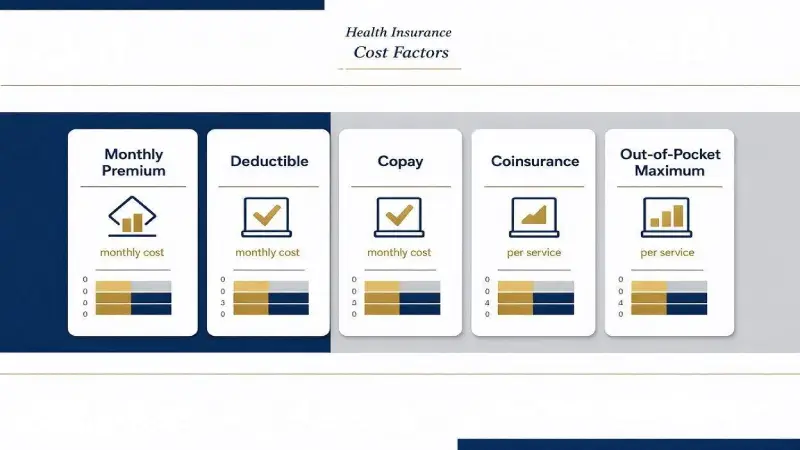
The main factors affecting your UnitedHealthcare insurance cost can include:
- Your age
- Your state and ZIP code
- Household size
- Household income
- Whether you qualify for subsidies
- Type of health plan
- Coverage level
- Deductible
- Network structure
- Employer contribution
- Whether you cover dependents
For Marketplace coverage, your income and eligibility for financial assistance can have a major impact on what you pay.
For employer-sponsored insurance, your employer may pay part of the premium, reducing your personal monthly contribution.
For Medicare-related coverage, costs depend on the specific Medicare program and plan structure.
Therefore, the most accurate way to determine your personal UnitedHealthcare insurance cost is to obtain a quote or review the official plan options available to you.
UnitedHealthcare Insurance Cost: Premium vs. Total Healthcare Costs
One of the biggest mistakes consumers make when comparing health insurance is looking only at the monthly premium.
The premium is the amount you pay to maintain your health insurance coverage.
But your total healthcare spending can also include:
- Deductibles
- Copays
- Coinsurance
- Prescription drug costs
- Out-of-network charges
- Other eligible healthcare expenses
For example, imagine two hypothetical plans.
| Cost | Plan A | Plan B |
|---|---|---|
| Monthly premium | $250 | $400 |
| Annual premium | $3,000 | $4,800 |
| Deductible | $6,000 | $2,000 |
| Doctor visit copay | Higher | Lower |
| Out-of-pocket maximum | Higher | Lower |
Plan A may appear cheaper because the monthly premium is lower.
However, someone who frequently visits doctors or expects significant medical expenses could potentially spend more overall with Plan A.
Plan B costs more every month but may provide more predictable costs when healthcare services are used.
This is why you should compare the total potential annual cost, not just the monthly premium.
What Factors Affect UnitedHealthcare Insurance Cost?

Several factors can influence how much you pay for UHC health insurance.
Let’s examine the most important ones.
1. Age
Age can influence the price of individual health insurance.
Older adults generally face higher premiums than younger adults, although applicable laws and rating rules limit how insurers can vary premiums based on age in the individual market.
The exact impact depends on the type of coverage and where you live.
If you are comparing plans for yourself and your family, make sure you understand how the age of each covered person affects the total premium.
2. Location
Your location is another important factor.
Health insurance pricing can vary from one state to another and sometimes from one geographic area to another.
Factors may include:
- Local healthcare costs
- Available provider networks
- Competition among insurers
- State regulations
- Regional medical spending
Therefore, someone living in New York may not receive the same pricing as someone with a similar profile living in Texas or Florida.
This is one reason why national “average UHC insurance cost” figures should be treated carefully.
3. Household Size
If you purchase family health insurance, the number of people covered can affect your overall premium.
Your household may include:
- Yourself
- Your spouse
- Children
- Other eligible dependents
The cost structure for a family plan is different from that of an individual plan.
However, household size can also affect financial assistance eligibility for Marketplace coverage.
4. Household Income
Income can be especially important for people purchasing individual health insurance through the Marketplace.
Depending on your circumstances and eligibility, you may qualify for financial assistance that reduces the amount you pay toward your health insurance premium.
This means two households purchasing similar plans may pay different amounts after applicable assistance.
When estimating your UnitedHealthcare insurance cost, it is therefore important to consider not only the plan’s listed premium but also whether you qualify for available financial assistance.
5. Type of Plan
UnitedHealthcare offers different types of health coverage.
The cost structure can differ depending on whether you have:
- Individual coverage
- Family coverage
- Employer-sponsored coverage
- Medicare-related coverage
- Medicaid-related coverage
Each category has different eligibility rules and pricing structures.
6. Deductible
The deductible is another major factor.
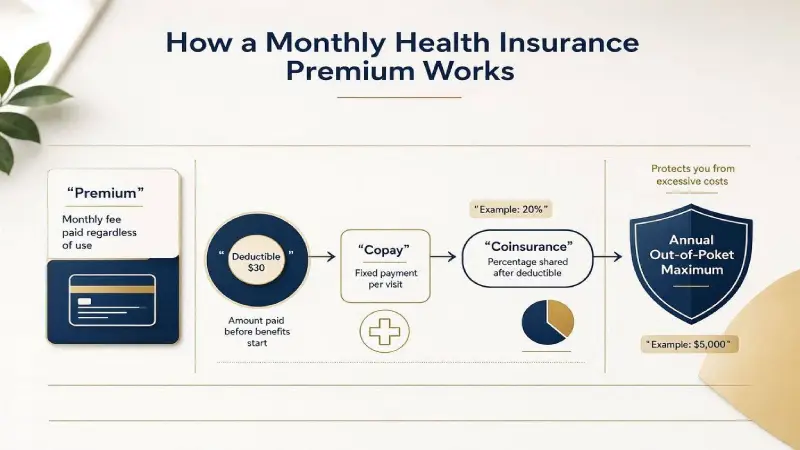
A deductible is the amount you generally pay for covered healthcare services before your health insurance begins paying according to the plan’s cost-sharing structure.
For example, if a hypothetical plan has a $2,000 deductible, you may have to pay eligible healthcare costs up to that amount before the plan begins paying for certain covered services.
However, not all services necessarily work the same way.
Some plans may cover certain preventive services before the deductible, while copays may apply to specific services.
Always check the plan documents.
7. Copays and Coinsurance
A plan may also require you to share the cost of healthcare services.
A copay is usually a fixed amount you pay for a covered service.
For example:
- $30 for a primary care visit
- $60 for a specialist visit
- $15 for a generic prescription
These are only hypothetical examples. Actual costs depend on your specific plan.
Coinsurance, by contrast, is generally a percentage of the allowed cost you pay after meeting applicable deductibles.
For example, a hypothetical plan could require you to pay 20% coinsurance while the insurance plan covers the remaining 80% of the allowed amount.
Again, the exact rules depend on the plan.
Understanding UnitedHealthcare Plans in 2026
The term “UnitedHealthcare plan” can refer to several different types of health coverage.
This is important because the cost and benefits of one UHC plan may be completely different from another.
The main categories you may encounter include:
- Individual and family health insurance
- Employer-sponsored health insurance
- Medicare Advantage
- Medicare Supplement insurance
- Medicare Part D prescription drug coverage
- Medicaid-related programs in eligible states
Each category should be evaluated separately.
UnitedHealthcare Individual and Family Health Insurance
Individual and family plans are designed for people who do not receive health insurance through an employer or another qualifying source.
Depending on your location, UnitedHealthcare may offer plans through the individual health insurance market.
The availability of specific plans can vary by state and year.
When evaluating an individual or family UHC plan, consider:
- Monthly premium
- Deductible
- Copays
- Coinsurance
- Out-of-pocket maximum
- Prescription coverage
- Provider network
- Specialist access
- Hospital coverage
You should also check whether your preferred doctors and hospitals are included in the plan’s network.
A plan can look attractive based on price but become less convenient if your preferred providers are out of network.
UnitedHealthcare Employer-Sponsored Health Insurance
Many Americans receive health insurance through their employer.
In this situation, the employer may pay part of the monthly premium while the employee contributes the remaining amount.
This can make employer-sponsored health insurance significantly different from buying an individual policy.
Your cost may depend on:
- Employer contribution
- Employee contribution
- Individual vs. family coverage
- Plan selected
- Deductible
- Employer’s benefits structure
For example, an employee may have several plan choices:
| Plan Type | Monthly Employee Cost | Deductible | Best For |
|---|---|---|---|
| Lower-premium plan | Lower | Higher | Healthy employees with low healthcare use |
| Balanced plan | Moderate | Moderate | Average healthcare needs |
| Higher-premium plan | Higher | Lower | Frequent healthcare users |
These figures are illustrative only.
The actual options available depend entirely on the employer’s benefits package.
If your employer offers UHC coverage, compare the total annual cost of each option rather than choosing based only on the monthly contribution.
UnitedHealthcare HMO Plans
An HMO, or Health Maintenance Organization, generally emphasizes care within a defined network.
Depending on the plan, you may need to select a primary care provider and obtain referrals for certain specialist services.
Potential advantages include:
- Predictable costs
- Coordinated care
- Potentially lower premiums
- Strong network-based care
Potential disadvantages can include:
- More limited provider choice
- Network restrictions
- Possible referral requirements
An HMO can be a good fit for people who are comfortable using a defined network.
However, always check whether your preferred healthcare providers participate in the specific plan.
UnitedHealthcare Medicare Plans
Medicare-related coverage is a separate category of health insurance.
UnitedHealthcare offers Medicare-related products, including Medicare Advantage plans and Medicare Supplement insurance, subject to eligibility and availability.
These plans should not be directly compared with individual Marketplace health insurance because they operate under different rules.
Potential Medicare-related options can include:
- Medicare Advantage
- Medicare Supplement
- Prescription drug coverage
Costs vary based on the specific plan, location, benefits, and other factors.
If you are eligible for Medicare, carefully compare:
- Monthly premiums
- Medical deductibles
- Drug coverage
- Provider networks
- Maximum out-of-pocket costs
- Additional benefits
The right choice depends heavily on your healthcare needs and location.
UnitedHealthcare Premiums: What You Should Know
A premium is the amount you pay to maintain your health insurance coverage.
Depending on your plan, premiums may be paid:
- Monthly
- Through payroll deductions
- Directly to the insurer
Employer-sponsored plans may involve an employer contribution.
Marketplace plans may involve financial assistance for eligible consumers.
Medicare plans have their own cost structures.
This means there is no single “UHC monthly premium.”
Instead, your premium depends on the plan you choose and your circumstances.
When comparing plans, ask:
How much will I pay each month?
But also ask:
How much could I pay if I need significant medical care?
The second question is often overlooked.
UnitedHealthcare Deductibles Explained
A deductible can have a major impact on your total healthcare costs.
Suppose you have two hypothetical plans.
Plan A
- Premium: $250/month
- Deductible: $6,000
Plan B
- Premium: $450/month
- Deductible: $2,000
Plan A costs $3,000 per year in premiums.
Plan B costs $5,400 per year in premiums.
If you rarely use healthcare, Plan A might be financially attractive.
But if you expect significant medical care, Plan B could potentially reduce your out-of-pocket exposure.
The right answer depends on your personal circumstances.
UnitedHealthcare Copays and Coinsurance
Copays and coinsurance determine how much you pay when using healthcare services.
A plan could have:
- Primary care copay
- Specialist copay
- Urgent care copay
- Emergency room cost-sharing
- Prescription copays
Coinsurance may apply to certain services after the deductible.
The key is to understand how all these costs work together.
For example, a plan with a low premium but high coinsurance could become expensive if you need surgery or hospitalization.
This is why you should examine the plan’s Summary of Benefits and Coverage before enrolling.
UnitedHealthcare Out-of-Pocket Maximum
The out-of-pocket maximum is one of the most important numbers to understand.
It generally represents the maximum amount you are required to pay for covered services in a plan year, subject to the plan’s rules.
Once you reach the applicable limit for covered in-network services, the plan generally pays 100% of covered benefits for the remainder of the plan year.
However, not every expense necessarily counts toward the out-of-pocket maximum.
For example, depending on the plan, premiums and certain out-of-network expenses may not count.
Always check the specific plan documents.
When evaluating UHC insurance costs, look at:
- Annual premium
- Deductible
- Out-of-pocket maximum
Together, these figures provide a much clearer picture of your potential financial exposure.
How Much Does UnitedHealthcare Cost for a Family?

Family health insurance costs can vary significantly.
The total price may depend on:
- Number of people covered
- Ages of household members
- Location
- Household income
- Plan type
- Employer contribution
- Eligibility for financial assistance
A family with employer-sponsored insurance may have a different cost structure from a family buying coverage independently.
For Marketplace plans, financial assistance can also influence the final premium.
Rather than relying on a national average, families should obtain an actual quote based on their location and circumstances.
How Much Does UnitedHealthcare Cost for One Person?

Individual UHC insurance costs also vary.
A single adult may pay a different premium depending on:
- Age
- Location
- Income
- Plan level
- Deductible
- Network
- Eligibility for financial assistance
The monthly premium is only one part of the equation.
An individual should also compare:
- Deductible
- Copays
- Coinsurance
- Prescription costs
- Out-of-pocket maximum
A low monthly premium may not necessarily mean low overall healthcare costs.
How to Lower Your UnitedHealthcare Insurance Cost
If your UHC insurance cost seems high, there are several strategies worth considering.
Compare Multiple Plans
Do not automatically choose the cheapest premium.
Compare the total cost structure.
Check Financial Assistance
If you purchase coverage through the Marketplace, check whether you qualify for financial assistance.
Your eligibility can depend on your household circumstances and income.
Review Your Deductible
A higher deductible may reduce your premium, but make sure you could afford the deductible if you need significant medical care.
Use In-Network Providers
Staying within your plan’s network can help reduce your healthcare expenses.
Review Employer Coverage
If you have access to employer-sponsored insurance, compare your employer’s contribution with the cost of individual coverage.
Consider Your Healthcare Usage
Someone who rarely visits a doctor may prioritize a different plan from someone who requires frequent specialist care.
Review Your Coverage Every Year
Your circumstances can change.
You may:
- Change jobs
- Move
- Get married
- Have a child
- Develop new healthcare needs
Reviewing your coverage annually can help ensure that your plan still fits your situation.
Is UnitedHealthcare Worth It in 2026?
Whether UnitedHealthcare is worth it depends on what you value in health insurance.
The answer is not simply yes or no.
A good health insurance plan should provide a reasonable balance between:
- Premium
- Coverage
- Provider access
- Cost-sharing
- Prescription benefits
- Out-of-pocket exposure
UnitedHealthcare may be attractive to consumers who find a plan that offers the right combination of network access and cost-sharing for their needs.
However, a plan that works well for one person may not work well for another.
For example, someone who takes several prescription medications may prioritize drug coverage.
A person who travels frequently may care more about provider access in different locations.
Someone with an established relationship with a particular doctor may prioritize network participation.
Therefore, the most important question is not:
Is UnitedHealthcare the best health insurer?
The better question is:
Is this specific UnitedHealthcare plan a good fit for my healthcare needs and budget?
UnitedHealthcare Insurance Pros and Cons
Pros
Broad Range of Health Insurance Products
UnitedHealthcare operates across multiple segments of the U.S. healthcare system.
Employer Coverage
Many employees may access UHC plans through their workplace.
Medicare Options
UnitedHealthcare offers Medicare-related products for eligible consumers.
Different Plan Structures
Depending on availability, consumers may encounter different network and cost-sharing structures.
Digital Tools
Online tools can make it easier to manage benefits, search for providers, and access account information.
Cons
Costs Vary Significantly
There is no simple national UHC insurance price.
Networks Matter
Your preferred doctor or hospital may not participate in every plan.
Low Premiums Can Mean Higher Cost Sharing
A cheaper monthly premium may come with a higher deductible.
Plan Availability Varies
The plans available to you depend on your location and eligibility.
Healthcare Costs Can Be Complicated
Consumers need to understand several different costs simultaneously.
How to Choose the Right UnitedHealthcare Plan
Before selecting a UHC health insurance plan, ask these questions.
1. What Is the Monthly Premium?
Calculate your annual premium by multiplying the monthly premium by 12.
2. What Is the Deductible?
Understand how much you may need to pay before certain benefits begin.
3. What Are the Copays?
Check primary care, specialist, urgent care, emergency, and prescription costs.
4. What Is the Coinsurance?
Determine how much of the cost you may have to pay after meeting your deductible.
5. What Is the Out-of-Pocket Maximum?
This helps you understand your potential financial exposure for covered services.
6. Are My Doctors in Network?
This is extremely important if you already have established healthcare providers.
7. Are My Prescriptions Covered?
Check the plan’s formulary.
8. Do I Qualify for Financial Assistance?
If purchasing Marketplace coverage, determine whether you qualify for available assistance.
9. Is the Plan Suitable for My Healthcare Needs?
Think about your expected healthcare usage.
10. What Happens If I Need Emergency Care?
Understand the plan’s emergency and out-of-network rules.
UnitedHealthcare Insurance Cost: Example Scenarios
The following examples are hypothetical and are intended only to explain how total costs can differ.
Scenario 1: Healthy Young Adult
A young adult rarely visits a doctor.
They may prioritize:
- Lower monthly premium
- Higher deductible
- Affordable preventive care
- Reasonable emergency protection
A lower-premium plan could potentially be attractive.
Scenario 2: Family With Young Children
A family with children may have more frequent:
- Pediatric visits
- Urgent care visits
- Prescription needs
The family may prefer a plan with higher monthly premiums but lower cost-sharing for routine services.
Scenario 3: Person With Regular Specialist Visits
Someone managing an ongoing health condition may visit specialists regularly.
For this person, the lowest monthly premium may not be the best financial choice.
They may prioritize:
- Specialist access
- Lower copays
- Lower deductible
- Predictable out-of-pocket costs
Scenario 4: Frequent Traveler
A person who travels frequently may prioritize network flexibility.
A broader network may be more valuable than a slightly cheaper premium.
UnitedHealthcare Insurance vs. Other Health Insurance Options
This article is not intended to provide a ranking of the best health insurance companies in America.
Instead, the focus is on understanding UHC’s pricing and plan structure.
When comparing UnitedHealthcare with another insurer, the most important factors are:
- Monthly premium
- Deductible
- Copays
- Coinsurance
- Out-of-pocket maximum
- Provider network
- Prescription coverage
For example, a plan from another insurer may have a lower premium but a significantly higher deductible.
That does not automatically make it cheaper.
Always compare plans based on equivalent coverage.
Is UnitedHealthcare Expensive?
UnitedHealthcare may appear expensive or affordable depending on the plan and your personal circumstances.
For example, someone receiving employer contributions may pay a relatively manageable employee contribution.
Another person buying individual coverage without significant financial assistance may face a higher premium.
The most accurate answer is therefore:
UnitedHealthcare insurance costs vary widely, and the price of a specific plan matters more than the company’s name alone.
You should compare the total cost of coverage rather than focusing only on the monthly premium.
What Is the Cheapest UnitedHealthcare Plan?
There is no single UHC plan that is guaranteed to be the cheapest for everyone.
The cheapest available option depends on:
- Location
- Eligibility
- Income
- Age
- Coverage type
- Plan availability
A lower-premium plan may also have a higher deductible or higher out-of-pocket costs.
Therefore, “cheapest” does not necessarily mean “best value.”
Frequently Asked Questions
How much is UnitedHealthcare insurance?
The cost of UnitedHealthcare insurance varies depending on your age, location, household size, income, plan type, deductible, and other factors. Employer contributions and financial assistance may also affect the amount you personally pay.
How much does UnitedHealthcare insurance cost per month?
There is no universal monthly premium. The amount depends on the specific plan and your circumstances. The best way to determine your monthly cost is to review the plans available in your area or obtain an official quote.
Is UnitedHealthcare expensive?
UnitedHealthcare can be affordable for some consumers and expensive for others. The cost depends on the plan, premium, deductible, cost-sharing, and whether financial assistance or employer contributions apply.
What affects UHC insurance cost?
Factors can include age, location, household size, income, plan type, coverage level, deductible, network structure, and employer contributions.
Does UnitedHealthcare offer individual health insurance?
UnitedHealthcare offers various health insurance products, but individual plan availability depends on location and the applicable market. Consumers should check the current options available in their area.
Does UnitedHealthcare offer family health insurance?
Depending on location and eligibility, UnitedHealthcare may offer health coverage for families. The cost depends on household circumstances, plan selection, and applicable financial assistance.
What is a deductible?
A deductible is generally the amount you pay for eligible covered healthcare services before your plan begins paying according to its cost-sharing rules. Certain services may be covered before the deductible depending on the plan.
What is a copay?
A copay is generally a fixed amount you pay for a covered healthcare service, such as a doctor visit or prescription. The exact amount depends on your plan.
What is coinsurance?
Coinsurance is generally the percentage of an allowed healthcare cost that you pay after meeting applicable deductible requirements.
What is an out-of-pocket maximum?
The out-of-pocket maximum generally limits how much you pay for covered services during a plan year, subject to the plan’s rules. Premiums and certain other expenses may not count toward this limit.
Is UnitedHealthcare good for families?
It can be a good option for some families if the available plan provides appropriate coverage, affordable cost-sharing, and access to preferred doctors and hospitals. Families should compare the total annual cost rather than focusing only on premiums.
Is UnitedHealthcare good for seniors?
UnitedHealthcare offers Medicare-related products for eligible individuals. Seniors should compare plans based on premiums, medical costs, prescription coverage, provider networks, and benefits available in their specific area.
Does UnitedHealthcare cover prescriptions?
Prescription drug coverage depends on the specific plan. Review the plan’s formulary and drug cost-sharing structure to determine whether your medications are covered and how much you may pay.
How can I lower my UnitedHealthcare insurance cost?
You may be able to reduce your overall costs by comparing plans, checking eligibility for financial assistance, considering employer-sponsored coverage, selecting an appropriate deductible, and using in-network healthcare providers.
Is a low-premium UHC plan always the best choice?
No. A low premium may come with a higher deductible, copays, coinsurance, or out-of-pocket maximum. The best plan depends on your expected healthcare needs and financial situation.
Should I choose an HMO or PPO?
An HMO may be attractive if you prefer a defined network and potentially lower costs. A PPO may offer more provider flexibility but can have higher premiums or cost-sharing. Compare the specific plans available to you.
How do I find out exactly how much UnitedHealthcare insurance will cost me?
The most accurate approach is to review the current plan options available in your location or request an official quote. If you receive insurance through an employer, review your employer’s benefits package. If you qualify for Medicare or Marketplace coverage, use the appropriate official enrollment resources.
Final Verdict: Is UHC Health Insurance Worth It in 2026?
UnitedHealthcare can be worth considering in 2026, but the value depends primarily on the specific plan you choose, not simply on the company’s name.
For some consumers, the most important factor may be a low monthly premium.
For others, the priority may be:
- A lower deductible
- Lower copays
- A broad provider network
- Prescription coverage
- A lower out-of-pocket maximum
- Employer contributions
- Access to specific doctors and hospitals
The biggest mistake is choosing a health insurance plan based solely on its monthly price.
Instead, calculate the potential total cost.
Start with:
Annual premiums + expected healthcare spending + potential out-of-pocket exposure
Then consider the quality and convenience of the coverage.
If your preferred doctors are in network, your prescriptions are covered, and the plan’s cost-sharing structure matches your healthcare needs, a UnitedHealthcare plan may offer good value.
On the other hand, if your preferred providers are outside the network or the deductible is too high for your budget, another plan may be more suitable.
Ultimately, the answer to “How much is UnitedHealthcare insurance?” is highly personal.
The most accurate answer is the price of the specific UHC plan available to you after considering your location, age, household, income, coverage needs, and eligibility for financial assistance.
Before enrolling, compare the full plan details—not just the premium.
How We Evaluated UnitedHealthcare Insurance Costs
For this article, we focused specifically on the factors that influence the cost and value of UnitedHealthcare health insurance.
Our analysis considered:
- Monthly premiums
- Deductibles
- Copays
- Coinsurance
- Out-of-pocket maximums
- Plan types
- Provider networks
- Employer-sponsored coverage
- Individual and family coverage
- Medicare-related coverage
- Financial assistance considerations
Because UnitedHealthcare plan availability and pricing can vary by location and individual circumstances, we intentionally avoided presenting a single national “average UHC insurance cost” as though it applied to every consumer.
Readers should verify current plan availability, premiums, benefits, and eligibility directly through the appropriate official enrollment channel before making an insurance decision.
Editorial note: Insurance prices and plan availability can change. Always review the latest official plan documents, Summary of Benefits and Coverage, provider network information, formulary, and applicable enrollment terms before choosing coverage.
mcorper mattis, pulvinar dapibus leo.

Ahmada Ndao is a financial research analyst and independent journalist
specializing in US consumer finance, legal rights, and insurance markets.
With over 5 years covering American financial products, he has helped
thousands of readers navigate complex insurance decisions, find the right
legal representation, and optimize their credit strategies. His research
methodology combines primary data analysis, direct outreach to industry
professionals, and continuous monitoring of federal regulatory changes.
Ahmada’s work has been cited by financial communities across the US and
reviewed by licensed attorneys and insurance professionals for accuracy.