
Best Credit Cards USA 2026 — Top Cash Back, Travel & Rewards Cards Compared
The right credit card is one of the most powerful financial tools available to American consumers — yet most people are using the wrong one for their spending habits and leaving hundreds or even thousands of dollars in rewards on the table every year. The average American household spends $67,000 annually. At a 2% flat cash back rate, that is $1,340 in free money per year. At an optimized rewards strategy with the right combination of cards, that number can exceed $2,500–$4,000/year. This guide ranks the best credit cards in the USA for 2026 across every category — cash back, travel, balance transfer, business, and credit building — and gives you a precise framework to choose the right card for your spending profile.
Key Takeaways — Best Credit Cards USA 2026
- Best flat cash back: Wells Fargo Active Cash — 2% on everything, no annual fee
- Best rotating cash back: Chase Freedom Flex — 5% on rotating categories, $0 annual fee
- Best travel card: Chase Sapphire Preferred — 3x dining/travel, best transfer partners
- Best premium travel: Amex Platinum — $695 fee but $1,500+ in annual credits
- Best balance transfer: Citi Diamond Preferred — 0% APR for 21 months
- Best no-annual-fee overall: Citi Double Cash — 2% cash back (1% purchase + 1% payment)
- Average welcome bonus value: $500–$900 for top cards — worth $1,000–$2,500+ for travel cards
- Never carry a balance: Average credit card APR hit 21.5% in 2026 — interest eliminates all rewards
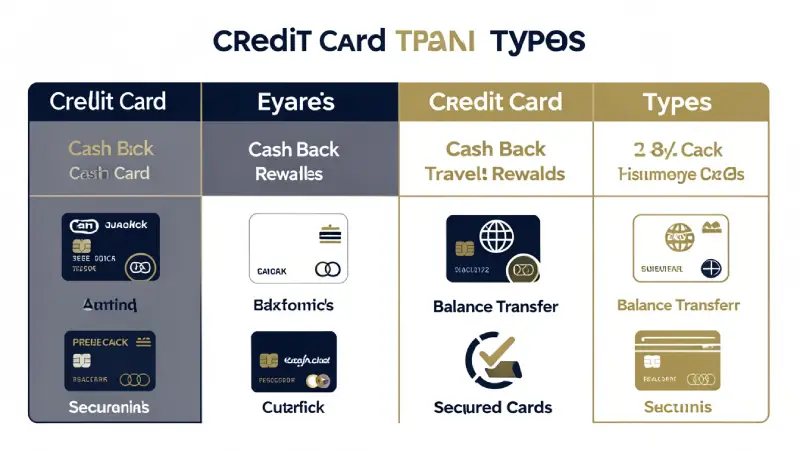
Best Credit Cards by Category — 2026 Master List
| Card | Category | Annual Fee | Best Reward Rate | Welcome Bonus | Score |
|---|---|---|---|---|---|
| Chase Sapphire Preferred Best Travel | Travel rewards | $95 | 3x dining, 2x travel | 60,000 pts (~$750) | ⭐ 4.9/5 |
| Wells Fargo Active Cash Best Flat CB | Cash back | $0 | 2% on everything | $200 cash | ⭐ 4.8/5 |
| Chase Freedom Flex | Cash back rotating | $0 | 5% rotating + 3% dining | $200 cash | ⭐ 4.7/5 |
| Citi Double Cash | Cash back flat | $0 | 2% (1% buy + 1% pay) | $200 cash | ⭐ 4.7/5 |
| Amex Gold Card | Dining + groceries | $325 | 4x dining, 4x U.S. groceries | 60,000 pts (~$600) | ⭐ 4.8/5 |
| Capital One Venture X | Premium travel | $395 | 2x everything, 10x hotels | 75,000 miles (~$750) | ⭐ 4.7/5 |
| Amex Platinum | Luxury travel | $695 | 5x flights, $1,500+ credits | 80,000 pts (~$800) | ⭐ 4.7/5 |
| Citi Diamond Preferred | Balance transfer | $0 | 0% APR 21 months BT | N/A | ⭐ 4.8/5 |
| Discover it Cash Back | Cash back rotating | $0 | 5% rotating + 1% base | Cashback match yr 1 | ⭐ 4.6/5 |
| Capital One Secured MC | Credit building | $0 | N/A | N/A (no credit req.) | ⭐ 4.5/5 |
Best Cash Back Credit Cards 2026

The Wells Fargo Active Cash is the best flat-rate cash back card in the USA — delivering an uncapped, unlimited 2% cash back on every purchase with zero annual fee. No categories to track, no activation requirements, no spending caps. On $67,000 in annual household spending, that is $1,340 in cash back every year. The $200 welcome bonus after just $500 in spending is among the easiest to earn. Cell phone protection ($600 coverage) is included free. Apply at WellsFargo.com.
✓ Pros
- 2% on everything — no category limits
- $0 annual fee
- 0% intro APR 12 months
- Cell phone protection included
- Easy $200 welcome bonus
✗ Cons
- 3% foreign transaction fee
- No travel transfer partners
- Good–excellent credit required
The Chase Freedom Flex is the best no-annual-fee card for maximizers who don't mind tracking quarterly categories. Rotating 5% categories in 2025–2026 have included grocery stores, gas stations, Amazon, PayPal, and select streaming services — all high-spend categories for most households. Crucially, Freedom Flex rewards can be combined with Chase Sapphire Preferred or Reserve points and transferred to airline and hotel partners at 1:1 — transforming simple cash back into premium travel. Apply at Chase.com.
✓ Pros
- 5% on rotating categories — massive earning potential
- 3% on dining and drugstores always
- $0 annual fee
- Points combinable with Sapphire cards
- Strong purchase and travel protections
✗ Cons
- Must activate 5% categories quarterly
- 5% capped at $1,500/quarter
- Only 1% on non-bonus categories
Best Travel Credit Cards 2026

The Chase Sapphire Preferred is the best travel credit card for the majority of Americans — delivering strong everyday rewards, the industry's best transfer partner network (United, Southwest, Hyatt, Marriott, and 10+ more at 1:1), and a 60,000-point welcome bonus worth $750 in Chase Travel or $900–$1,500+ when transferred to airline partners for premium redemptions. At just $95/year, it delivers extraordinary value. The $50 annual hotel credit effectively reduces the annual fee to $45. Learn more at Chase.com/sapphire-preferred.
✓ Pros
- Best transfer partner network — 14 airlines/hotels
- 60,000 pt welcome bonus (~$750–$1,500)
- 3x dining and online groceries
- Trip delay, cancellation, baggage insurance
- Only $95/year — best value in travel cards
✗ Cons
- $95 annual fee
- No airport lounge access
- Requires good–excellent credit
The Amex Platinum's $695 annual fee is only justified if you fully utilize its $1,500+ in annual credits — but for frequent travelers who do, it is an exceptional value. Credits include: $200 airline fee credit, $200 hotel credit, $240 digital entertainment credit, $155 Walmart+ credit, $100 Saks Fifth Avenue credit, and Global Entry/TSA PreCheck credit. Airport lounge access (Centurion Lounges + Priority Pass + Delta Sky Clubs when flying Delta) is unmatched in the industry. The Amex Membership Rewards program has 20+ transfer partners including Delta, Air France, British Airways, and Hilton. Apply at AmericanExpress.com.
✓ Pros
- $1,500+ in annual statement credits
- Best airport lounge access of any card
- 5x on flights and Amex Travel hotels
- 20+ transfer partners
- Elite hotel status (Marriott Gold, Hilton Gold)
✗ Cons
- $695 annual fee — requires active credit management
- Credits require enrollment and activation
- Only 1x on most non-travel purchases
The Capital One Venture X sits in the sweet spot between the Chase Sapphire Preferred and Amex Platinum — offering premium perks at a more manageable $395 annual fee. The $300 annual travel credit (usable on Capital One Travel) and 10,000 anniversary bonus miles (worth $100) effectively reduce the net annual fee to negative $5 for active users. Unlimited Priority Pass lounge access, Capital One Lounge access, and 2x miles on all purchases make it the easiest premium card to extract value from. More at CapitalOne.com.
✓ Pros
- Net negative annual fee with credits + bonus miles
- 2x miles on all purchases — simple earning
- Priority Pass + Capital One Lounge access
- 75,000-mile welcome bonus
✗ Cons
- $300 credit limited to Capital One Travel portal
- Fewer transfer partners than Chase or Amex
- Excellent credit required
Best Balance Transfer Credit Cards 2026

If you carry credit card debt at 20%+ APR, a balance transfer card is the single highest-return financial move available. Transferring $8,000 in debt from a 22% APR card to a 0% APR card for 21 months saves approximately $2,940 in interest — guaranteed, risk-free savings.
Balance Transfer Savings Calculator — Example: $8,000 at 22% APR
The Citi Diamond Preferred offers the longest 0% balance transfer period currently available — 21 months at 0% APR — giving you nearly two full years to pay down transferred debt interest-free. The $0 annual fee means zero overhead cost. The 5% transfer fee is higher than some competitors (3%), but the extra months of 0% APR more than compensate on larger balances. Apply at Citi.com. For broader debt management strategies, our refinance guide also covers debt consolidation options for homeowners.
✓ Pros
- 21-month 0% APR — longest available
- $0 annual fee
- 0% on purchases 12 months
- Simple, no-frills debt paydown tool
✗ Cons
- 5% balance transfer fee
- No rewards program
- Good–excellent credit required
How to Maximize Credit Card Rewards — The Optimal Strategy
The highest-earning cardholders don't use a single card — they use a 2–3 card system optimized for different spending categories. Here is the most effective combination for 2026:
The Two-Card System — Best for Most People
- Card 1 — Chase Sapphire Preferred ($95/yr): Use for dining, travel, and online grocery spending (3x points). Use for all travel bookings to maximize transfer partner value.
- Card 2 — Wells Fargo Active Cash ($0/yr): Use for everything else at 2% flat cash back.
- Annual value: On $67,000 household spending — approximately $1,600–$2,200/year in rewards, depending on spending mix.
The Three-Card Premium System — Best for Travelers
- Card 1 — Amex Gold ($325/yr): 4x dining + 4x U.S. groceries — maximizes two of the largest household spending categories.
- Card 2 — Chase Sapphire Preferred ($95/yr): 3x dining backup, 2x travel, best transfer partners.
- Card 3 — Wells Fargo Active Cash ($0/yr): 2% on everything else.
- Annual value: $2,500–$4,000+/year in rewards for households spending $60,000–$80,000 annually.
⚠️ The Golden Rule — Never Carry a Balance: With average credit card APR at 21.5% in 2026, carrying a $5,000 balance costs $1,075 in annual interest. No rewards card earns enough to offset this. Credit card rewards are only profitable when you pay your balance in full every month. If you currently carry a balance, a 0% balance transfer card is step one — rewards optimization comes after the debt is eliminated.
Best Credit Cards by Credit Score — 2026

| Credit Score | Category | Best Card Option | Annual Fee | Key Benefit |
|---|---|---|---|---|
| No credit / rebuilding | Secured | Capital One Secured Mastercard | $0 | Builds credit, no credit check |
| 580–669 (Fair) | Fair credit | Capital One Platinum | $0 | No annual fee, credit building |
| 670–699 (Good) | Entry rewards | Discover it Cash Back | $0 | 5% rotating + cashback match |
| 700–739 (Good+) | Mid-tier rewards | Chase Freedom Flex or Active Cash | $0 | Strong cash back, no fee |
| 740–759 (Very Good) | Travel rewards | Chase Sapphire Preferred | $95 | Best travel ecosystem, 60K bonus |
| 760+ (Excellent) | Premium cards | Amex Platinum or Venture X | $395–$695 | Lounges, credits, max rewards |
Understanding Credit Card Fees — What to Avoid
The credit card industry generates significant revenue from fees that many cardholders unknowingly pay. Here are the key fees to understand and avoid:
- Annual fee: $0–$695. Only worthwhile if rewards and credits exceed the fee. Always calculate net value before keeping a fee card.
- Interest / APR: 20–30% on balances. Eliminates all reward value immediately — always pay in full.
- Foreign transaction fee: 3% on international purchases — avoid entirely by using a travel card with no foreign transaction fee (Chase Sapphire, Venture X, Amex all waive this).
- Balance transfer fee: 3–5% of transferred amount. Still worthwhile when transferring to 0% APR — factor into your savings calculation.
- Late payment fee: Up to $30 for first offense, $41 subsequently. Set up autopay for the minimum payment as a safety net — then pay full balance separately.
- Cash advance fee: 3–5% plus immediate high-APR interest — never use a credit card for cash advances.
How to Choose the Right Credit Card — Decision Checklist
- Check your credit score before applying — use AnnualCreditReport.com for free
- Identify your largest monthly spending categories (dining, groceries, travel, gas)
- Decide: cash back simplicity or travel rewards optimization
- If carrying debt — balance transfer card first, rewards cards after debt is cleared
- Calculate net annual value: (estimated annual rewards) − (annual fee)
- Check welcome bonus spend requirement — ensure you can meet it naturally
- Verify no foreign transaction fee if you travel internationally
- Set up autopay for full balance immediately upon card activation
- Consider the card's impact on your credit score — new accounts temporarily lower score
- Compare using NerdWallet or Bankrate for current offers
FAQ — Best Credit Cards USA 2026

Ahmada Ndao is a financial research analyst and independent journalist
specializing in US consumer finance, legal rights, and insurance markets.
With over 5 years covering American financial products, he has helped
thousands of readers navigate complex insurance decisions, find the right
legal representation, and optimize their credit strategies. His research
methodology combines primary data analysis, direct outreach to industry
professionals, and continuous monitoring of federal regulatory changes.
Ahmada’s work has been cited by financial communities across the US and
reviewed by licensed attorneys and insurance professionals for accuracy.