Markets
Ultra-realistic editorial image showing a modern American driver checking a pay-per-mile insurance app on a smartphone

Is Pay-Per-Mile Car Insurance Worth It in 2026? Real Savings, Hidden Costs & Best Providers

Lorem ipsum dolor sit amet, consectetur adipiscing elit. Ut elit tellus, luctus nec ullamcorper mattis, pulvinar dapibus leo.

What Is Pay-Per-Mile Car Insurance?

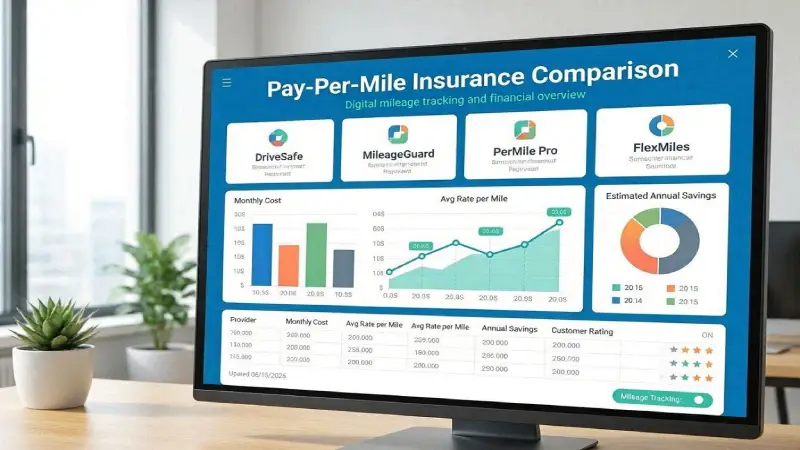
Comparison of pay-per-mile insurance providers in the USA

Pay-per-mile insurance is a type of usage-based insurance (UBI) that combines:

  • A fixed monthly base rate
  • A variable mileage charge

Instead of paying a flat premium regardless of usage, drivers pay partly according to how much they actually drive.

For example:

ItemCost
Base Rate$40/month
Per Mile Charge6 cents
Monthly Mileage500 miles
Total Premium$70/month

Drivers who rarely use their vehicles can often save hundreds of dollars annually.

The Insurance Information Institute notes that mileage remains one of the strongest predictors of accident risk because more time on the road generally increases exposure to potential claims.

External Source:
https://www.iii.org/

How Pay-Per-Mile Insurance Works

Low-mileage driver working remotely from home beside a parked vehicle

Most providers use:

  • Smartphone apps
  • OBD-II plug-in devices
  • Connected vehicle technology

These systems track:

  • Mileage
  • Trip frequency
  • Driving behavior
  • Time of day
  • Hard braking events
  • Rapid acceleration

Some programs only measure mileage, while others incorporate telematics scoring.

Drivers interested in telematics insurance may also want to compare Progressive Snapshot vs Allstate Drivewise:

https://nexuora.com/progressive-snapshot-vs-allstate-drivewise-2026-2/

Who Benefits Most From Pay-Per-Mile Insurance?

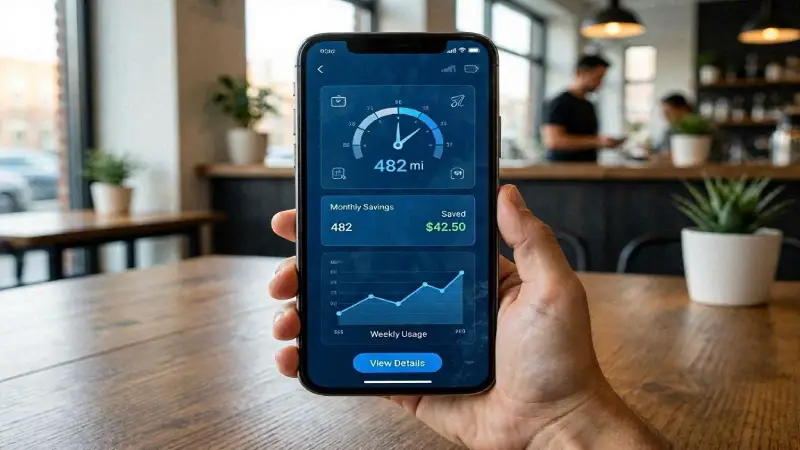
Smartphone displaying mileage-based insurance analytics and monthly savings

Mileage-based insurance works best for:

Remote Workers

Remote work continues growing in 2026.

Many Americans now drive less than 7,000 miles annually.

Retirees

Retirees often drive fewer miles than average commuters.

Urban Residents

People living in cities frequently use:

  • Public transportation
  • Rideshare services
  • Walking

Multi-Car Households

Second or third vehicles often sit unused for extended periods.

Who Should Avoid Pay-Per-Mile Insurance?

Not every driver benefits.

Drivers who exceed:

  • 12,000 miles annually
  • Daily long-distance commutes
  • Frequent road trips

may pay more than with traditional policies.

For high-mileage drivers, standard insurers often remain the better option.

A useful comparison is our guide to:

GEICO vs State Farm 2026

https://nexuora.com/geico-vs-state-farm-2026/

Average Savings In 2026

Savings vary significantly.

Recent consumer studies show:

Annual MileagePotential Savings
Under 5,000 miles30%–50%
5,000–8,000 miles15%–35%
8,000–12,000 miles5%–15%
Over 12,000 milesLimited savings

Many low-mileage drivers save between:

  • $200
  • $600
  • $1,000+

per year.

Best Pay-Per-Mile Insurance Companies In 2026

Lorem ipsum dolor sit amet, consectetur adipiscing elit. Ut elit tellus, luctus nec ullamcorper mattis, pulvinar dapibus leo.

1. Nationwide SmartMiles

Official Website:

https://www.nationwide.com/

Pros:

  • Strong national availability
  • Simple pricing structure
  • Flexible mileage billing

Cons:

  • Not available in every state

Best For:

Drivers under 8,000 miles annually.

2. Mile Auto

Official Website:

https://www.mileauto.com/

Pros:

  • Mileage-only pricing
  • Minimal driving behavior monitoring

Cons:

  • Limited availability

Best For:

Privacy-conscious drivers.

3. Progressive Snapshot

Official Website:

https://www.progressive.com/

Snapshot isn’t pure pay-per-mile insurance but can reward low-mileage drivers through telematics-based discounts.

Read our complete comparison:

https://nexuora.com/snapshot-vs-drivewise-car-insurance-2026/

4. Allstate Drivewise

Official Website:

https://www.allstate.com/

Drivewise focuses more on driving habits than mileage alone but still rewards reduced road usage.

Comparison guide:

https://nexuora.com/progressive-snapshot-vs-allstate-drivewise-2026-2/

Hidden Costs Most Drivers Miss

Many marketing pages emphasize savings but overlook potential drawbacks.

Mileage Caps

Some insurers limit maximum billable miles.

Privacy Concerns

Telematics devices collect driving data.

Drivers should review privacy policies carefully.

Behavioral Tracking

Programs may evaluate:

  • Speeding
  • Braking
  • Phone usage

Poor scores can reduce discounts.

State Availability

Not all programs operate nationwide.

Always verify eligibility before switching.

Pay-Per-Mile Insurance Vs Usage-Based Insurance

Many consumers confuse these concepts.

Pay-Per-Mile Insurance

Focuses primarily on mileage.

Usage-Based Insurance

Focuses on:

  • Mileage
  • Driving habits
  • Time of travel
  • Risk scoring

To learn more about telematics insurance:

https://nexuora.com/best-usage-based-car-insurance-usa-2026/

Is It Good For Electric Vehicle Owners?

Absolutely.

Many EV owners:

  • Work remotely
  • Commute less
  • Use vehicles primarily for local trips

This makes mileage-based insurance particularly attractive.

Related Guide:

https://nexuora.com/best-electric-vehicle-insurance-usa-2026/

What Does NAIC Say About Usage-Based Insurance?

The National Association of Insurance Commissioners (NAIC) recognizes telematics and mileage-based insurance as growing segments of the insurance industry.

Consumers should compare:

  • Privacy policies
  • Data collection methods
  • State regulations

before enrolling.

Source:

https://content.naic.org/

How Google Trends Is Shaping This Market

Search interest for:

  • « pay per mile insurance »
  • « mileage based insurance »
  • « cheap car insurance for low mileage drivers »

continues growing.

The increase is largely driven by:

  • Remote work adoption
  • Inflation
  • Rising insurance premiums
  • Connected vehicle technology

Real Example

Traditional Policy:

  • $185/month
  • 4,500 miles annually

Pay-Per-Mile Policy:

  • $95/month average

Annual Savings:

Approximately $1,080.

While results vary, low-mileage drivers often experience significant reductions.

How To Know If You're A Good Candidate

You may benefit if:

✅ You drive less than 8,000 miles annually

✅ You work remotely

✅ You own multiple vehicles

✅ You use public transportation frequently

✅ You rarely take long road trips

Final Verdict

For low-mileage drivers, pay-per-mile car insurance remains one of the most overlooked ways to reduce insurance expenses in 2026.

Drivers who spend most of their time at home, work remotely, or own secondary vehicles may save hundreds—or even thousands—of dollars annually.

However, mileage-based insurance isn’t ideal for everyone.

Before switching, compare:

  • Total annual mileage
  • Available providers
  • Privacy policies
  • Discount structures

For many Americans, the combination of lower premiums and fairer pricing makes pay-per-mile insurance one of the strongest auto insurance trends of 2026.

Frequently Asked Questions

Is pay-per-mile insurance cheaper?

Usually yes, especially for drivers under 8,000 miles per year.

What is the best pay-per-mile insurance company?

Nationwide SmartMiles and Mile Auto remain among the most popular choices in 2026.

Does pay-per-mile insurance track my location?

Some providers do. Others only record mileage.

Can high-mileage drivers benefit?

Typically not. Traditional insurance often provides better value.

Is pay-per-mile insurance available nationwide?

Availability depends on state regulations and insurer participation.